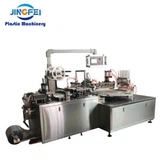
Hey there! I'm a supplier in the flat lid thermoforming business. One of the most common questions I get from customers is how to test the durability of flat lid thermoformed lids. It's a crucial aspect, as the durability directly impacts the performance and user experience of these lids. In this blog, I'll share some practical methods and insights on testing the durability of flat lid thermoformed lids.
Why Durability Testing Matters
Before we dive into the testing methods, let's quickly understand why durability testing is so important. Flat lid thermoformed lids are used in a wide range of applications, from food packaging to industrial containers. They need to withstand various stresses during transportation, storage, and use. If a lid isn't durable enough, it can lead to leaks, contamination, or even product damage. So, ensuring the durability of these lids is essential for maintaining product quality and customer satisfaction.
Visual Inspection
The first step in testing the durability of flat lid thermoformed lids is a simple visual inspection. This might sound basic, but it can reveal a lot about the lid's quality. Look for any visible defects such as cracks, warping, or uneven thickness. These issues can weaken the lid and make it more prone to failure.
When you're visually inspecting the lids, pay close attention to the edges. The edges are often the most vulnerable part, as they can get damaged easily. If you notice any rough or jagged edges, it could be a sign of a problem with the Plastic Cover Making Machine or the thermoforming process. A good lid should have smooth, even edges that fit well with the container.
Compression Testing
Compression testing is another important method for evaluating the durability of flat lid thermoformed lids. This test measures how well the lid can withstand pressure without collapsing or deforming. To perform a compression test, you'll need a compression testing machine. Place the lid on the machine's platform and gradually apply pressure until the lid starts to show signs of failure.
The results of the compression test can tell you a lot about the lid's strength. If the lid can withstand a high amount of pressure without deforming, it's likely to be more durable. On the other hand, if the lid collapses under a relatively low amount of pressure, it might not be suitable for applications where it will be subjected to heavy loads.
Drop Testing
Drop testing is a real-world simulation of how the lid might be handled during transportation and use. In this test, you'll drop the lid from a certain height onto a hard surface and observe the results. The height and surface can vary depending on the intended use of the lid.


For example, if the lid is for a food container that will be shipped long distances, you might want to drop it from a higher height to mimic the impact it could experience during transit. If the lid survives the drop without cracking or breaking, it's a good sign of its durability. However, if it shatters or shows significant damage, you might need to reevaluate the lid's design or the materials used.
Flex Testing
Flex testing is used to determine how well the lid can bend and flex without breaking. This is especially important for lids that need to be opened and closed multiple times, such as those on reusable containers. To perform a flex test, you can manually bend the lid back and forth a certain number of times and check for any signs of cracking or fatigue.
The number of flex cycles and the degree of bending will depend on the specific requirements of the lid. Some lids might need to withstand hundreds or even thousands of flex cycles without failing. If the lid shows signs of damage after a relatively small number of flex cycles, it might not be durable enough for long-term use.
Environmental Testing
The durability of flat lid thermoformed lids can also be affected by environmental factors such as temperature, humidity, and exposure to chemicals. Environmental testing involves subjecting the lids to different environmental conditions to see how they perform.
For example, you can place the lids in a high-temperature and high-humidity chamber for a certain period of time and then check for any changes in their physical properties. You can also expose the lids to different chemicals to see if they are resistant to corrosion or degradation. This type of testing can help you determine if the lids are suitable for use in specific environments.
Material Analysis
The materials used to make the flat lid thermoformed lids play a crucial role in their durability. Different materials have different properties, and choosing the right material is essential for ensuring the lid's performance. You can perform material analysis to determine the composition and quality of the materials used.
There are various methods for material analysis, such as spectroscopy and microscopy. These methods can provide detailed information about the material's structure, composition, and any impurities. By understanding the material properties, you can make informed decisions about the suitability of the materials for your specific application.
Machine and Process Impact
As a flat lid thermoforming supplier, I know that the quality of the Plastic Vacuum Forming Machine and the thermoforming process can have a significant impact on the durability of the lids. A well-maintained and properly calibrated machine is essential for producing high-quality lids.
The thermoforming process itself also needs to be carefully controlled. Factors such as temperature, pressure, and cooling time can all affect the lid's properties. If the process is not optimized, it can lead to issues such as uneven thickness, warping, or weak spots in the lid. That's why it's important to work with a reliable supplier who has experience in thermoforming and can ensure consistent quality.
Conclusion
Testing the durability of flat lid thermoformed lids is a multi-step process that involves a combination of visual inspection, physical testing, environmental testing, and material analysis. By using these methods, you can ensure that the lids you're using or supplying meet the required standards and are suitable for their intended applications.
If you're in the market for high-quality flat lid thermoformed lids or need a reliable Automatic Thermoforming Machine, feel free to reach out. We're here to help you find the best solutions for your needs. Whether you're a small business or a large corporation, we can provide you with the products and support you need to succeed. Contact us today to start a conversation about your requirements and let's work together to find the perfect thermoformed lids for your application.
References
- ASTM International. (2023). Standard Test Methods for Plastics.
- Society of Plastics Engineers. (2023). Plastics Engineering Handbook.