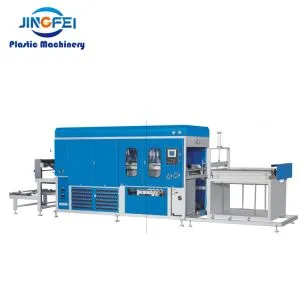
Plastic injection molding machine as the core equipment of plastic manufacturing industry, its stable operation is directly related to production efficiency and product quality. In order to prolong the service life of equipment and reduce failure rate, a system maintenance system must be established. Combining with industry experience and equipment operating principle, this paper expounds the maintenance requirements of injection molding machines from five aspects: routine inspection, regular maintenance, key parts maintenance, safety protection and preventive maintenance.
Daily inspections and basic maintenance
1.1 Pre-Startup Checks
The following core checks must be completed before starting each day:
Electrical system: ensure that the temperature inside the control box does not exceed 50°C. Check all relays, terminal blocks, and wiring insulation for aging, damage, or poor contact.
Hydraulic System: Make sure the oil level is within the range of the oil gauge. Observe oil temperatures between 20 and30 degrees Celsius (warm up to this range in winter). Check hoses, fittings and cylinders for leaks.
Lubrication System: Manual operation of the central lubrication pump to lubricate all lubrication points. Focus on inspecting the proportion distributor of the tie bars, guide rod, slide shoes and the central lubrication system to ensure uniform oil film coverage.
Safety devices: test the sensitivity of emergency stop buttons, safety door interlocks, limit switches and photoelectric sensors. Make sure the machine starts only when the security door closes.
Mold Condition: Check mold fastening screws and clamps for loosening. Removal of residues in cavities, cores and ejection mechanisms. Apply rust repellent or grease.
1.2 Ongoing monitoring
Parameter Abnormality Response: Continuous monitoring of oil temperature (normal range: 30-50°C), barrel temperature and system pressure. If oil temperature exceeds 55 degrees Celsius, shut down immediately and increase the flow of cooling water.
Lubrication Maintenance: Manual pulling of the the lubrication pump handle every 0.5 to2 hours. Check oil return cleanliness. If water or metal particles are detected, oil should be filtered or replaced.
Inspection of moving parts: observe wear and tear of tie bars, sliding shoe, guide rod and ejector pins. Listen for abnormal sounds from hydraulic pumps, motors and valves. Smells of burning or oil leaks.
1.3 Post-Shutdown Procedures
Residual Material Removal: Use copper tools to remove material residue from barrels, screws and nozzles. Avoid hitting with a steel needles or other hard object.
Mold Preservation: Completerust prevention treatment of removed molds, including drying of moisture in cavity, spraying ofrust control agent or greasing. Check forrust resistance every two months for long-term storage.
Environmental Cleanup: Cleaning up plastic debris, oil stains and debris around equipment. Shut down the cooling valve and main power switches.
Periodic Maintenance Schedule
2.1 Weekly maintenance
Fastener Inspection: tighten elbow joint bolts, mold fixing bolts and limit switch mounting bolts to prevent vibration induced loosening.
Hydraulic System Check: check oil coolers, filters and hose fittings. Clean coolers and replace clogged filters.
Lubrication Point Replenishment: Add grease to the nozzle, cup and bearing areas. Maintains screw drive device and injection carriage cylinder block.
2.2 Monthly maintenance
Hydraulic Oil Management: testing the degree of oxidation of hydraulic oil. If it is cloudy, discolored or contaminated with water, replace it completely and clean the oil tank.
Electrical system test: Check that all wiring connections is secure. Off-ground resistance (≤ 1 omega) and insulation resistance (≥1MΩ). Wash ventilation filters in the electrical control box.
Lubrication of Mechanical Component Lubrication: deep lubrication of reduction gearboxes, gear surfaces and rod guide rail. Replace badly worn bearings or seals.
2.3 Annual Maintenance
Hydraulic System Overhaul: replace hydraulic oil and filter core. Wash oil tank, hose and control valves. Inspect oil motors and pump for wear and tear.
Replacement of electrical components: retirement of aged wires, relays and sensors. Calibrate thermocouple temperature gauges according to actual readings.
Mechanical precision adjustment: measuring the parallelism, opening andclosing stroke and clamping force of the pressure plate. Correct moving component clearances, ensure smooth operation, no impact.
Specialized Care for Key Components
3.1 Injection System
Screw and Barrel: Check Inspect screw surface wear every 3,000 to4,000 working hours. Grind small scratches; weld or replace badly worn scratches. Clean barrel heating strips and insulation shields to ensure heating efficiency.
Nozzle and check loop assembly: Regularly clean nozzle internal residue. Check the wear of sealing ring, replace aging sealing ring, prevent melt leakage.
3.2 Clamping System
Press and Tether: Measure plate parallelism monthly, adjust die adjustment mechanism to eliminate vibration. Check for abrasion of the surface coating of tie bar every 6 months and chrome plating restoration if necessary.
Ejection Mechanism: cleaning oil pollution of Clean ejector pins, return pins, push board guide rod. Grease to reduce friction. Check the reliability of the ejection stroke limit switch.
3.3 Hydraulic System
Pumps and Motors: Remove annually to inspect bearings, pump body and seals. Replace worn components and add grease. Test pump output pressure according to rating.
Hydraulic Valves: Remove and clean only if blockage or internal leakage is confirmed. Avoid removing frequently, affecting sealing. When oil is changed, the oil channel inside the valve should be cleaned.
Safety Protection and Operational Standards
4.1 Personal security measures
Protective devices: Safe doors, protective devices and hydraulic/mechanical/electrical interlocks are well protected. Do not disable or bypass safety features.
OPERATIONS BAN: Do not enter mold cavities during closing. When removing parts, be sure to open safety doors. Only authorized personnel can adjust process parameters or remove molds.
Emergency Procedures: develop contingency plans for power outages, oil leaks and fires. Fire extinguisher, insulated gloves and first aid kit.
4.2 Equipment security measures
Low-Pressure Mold Closing Protection: Use low hydraulic pressure during initial mold closure, switching to high pressure only after full closure to prevent foreign object damage.
Load Matching: Choose a molding machine suitable for the weight of the parts to avoid accelerated aging due to long-term overload operation.
Environmental control: Keep the environment clean and dry to prevent water/oil accumulation or short circuit of plastic debris.
Preventive maintenance and fault management
5.1 Failure Pattern Analysis
Injection molding machine failure rates follows a "bathtub curve" and requires a phased maintenance strategy:
Early Run-In Period: Focus: Focuses on identifying design defects and installation errors. Strengthen equipment commissioning parameter optimization.
Stochastic stabilization period: This phase is extended through routine inspection and periodic maintenance to reduce the risk of sudden failure.
Wear-Out Period: Establish equipment health records, stock critical spare parts, and schedule overhauls before failure rate inflection points.
5.2 Condition Monitoring Technologies
Vibration analysis: The vibration spectra of hydraulic pumps, motors and bearings are monitored using accelerometers for early detection of wear.
Oil analysis: hydraulic oil viscosity, water content and particle contamination are regularly tested to assess oil health and guide replacement intervals.
Temperature Monitoring: Install temperature sensors on key components such as screws and cylinders to track thermal deformation and prevent seizure failures.
5.3 Maintenance Process Optimization
Fault Diagnosis: follow the five-step method of ``ask, observe, listen, smell and check ''. Use device history data to find the underlying cause.
Spare Parts management: Priority is given to spare parts from the original manufacturer. Establish inventory alerts for key components (e.g., seals, relays) to ensure timely replacement.
Repair Documentation: documentation of malfunctions, repair processes and replacement parts to support equipment health assessments.
Conclusion:
The maintenance of plastic injection molding machines requires a systematic approach that includes routine inspections, periodic maintenance, professional component maintenance, safety protection and prevention strategies. Through comprehensive maintenance, the failure rate is reduced, the service life is extended, and the production efficiency and economic efficiency are improved. Enterprises should establish and improve equipment management systems, train professional maintenance team and continuously optimize process to meet the changing market competition challenges.