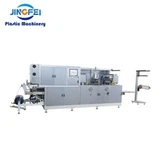
Hey there! As a supplier of Plastic Vacuum Molding Machines, I often get asked about the proper storage conditions for these machines. It's super important to store them correctly to ensure they stay in top - notch condition and perform well when you need them. So, let's dive right into what storage conditions are required for a plastic vacuum molding machine.


Temperature
First off, temperature plays a huge role. Plastic vacuum molding machines are made up of various components, including plastics, metals, and electronics. Extreme temperatures can mess with these materials big time.
High temperatures can cause plastic parts to warp or melt. If the machine is stored in an area where the temperature regularly exceeds 50°C (122°F), the plastic components may lose their shape, which can affect the overall functionality of the machine. On the flip side, extremely low temperatures can make metals brittle. When it gets too cold, say below - 10°C (14°F), the metal parts might crack or break under stress.
The ideal temperature range for storing a plastic vacuum molding machine is between 10°C (50°F) and 30°C (86°F). This moderate temperature range helps keep all the components in good shape. You can use a thermometer in the storage area to monitor the temperature regularly. If the storage space is in an area with fluctuating temperatures, like an uninsulated shed, you might want to consider using a heating or cooling system to maintain the right temperature.
Humidity
Humidity is another crucial factor. High humidity can lead to corrosion of metal parts. When metal is exposed to moisture in the air for long periods, it starts to rust. This not only looks bad but can also weaken the structure of the machine. For example, the screws and bolts holding the machine together might corrode, which could cause parts to come loose over time.
On the other hand, extremely low humidity can cause static electricity to build up. Static electricity can damage electronic components in the machine. The ideal humidity level for storing a plastic vacuum molding machine is between 30% and 60%. You can use a hygrometer to measure the humidity in the storage area. If the humidity is too high, you can use a dehumidifier to remove excess moisture from the air. If it's too low, a humidifier can add some moisture back in.
Ventilation
Good ventilation is a must - have for storing a plastic vacuum molding machine. Stagnant air can trap heat and moisture, creating an environment that's not good for the machine. Ventilation helps to keep the air fresh and prevent the buildup of harmful fumes.
Some plastic vacuum molding machines use chemicals during the molding process, and small amounts of these chemicals might be left on the machine. If the storage area is not well - ventilated, these fumes can accumulate and potentially damage the machine's components. You should make sure that the storage area has proper air circulation. This can be achieved by having windows that can be opened or by installing an exhaust fan.
Cleanliness
A clean storage area is essential. Dust and dirt can accumulate on the machine over time, which can cause problems. Dust can get into the moving parts of the machine, causing them to wear out faster. It can also clog the filters and vents, reducing the machine's efficiency.
Before storing the machine, make sure it's thoroughly cleaned. Wipe down all the surfaces with a clean, dry cloth. Remove any debris or residue from the molding area. You can also use a compressed air gun to blow out any dust from hard - to - reach places.
In the storage area, keep the floor clean and free of clutter. Avoid storing other items that might shed a lot of dust or debris near the machine.
Protection from Physical Damage
The plastic vacuum molding machine should be protected from physical damage during storage. This means keeping it away from areas where it might be bumped into or knocked over. If possible, store the machine in a dedicated storage rack or cabinet.
If you need to stack other items on top of the machine, make sure they are lightweight and won't put too much pressure on it. You can also use protective covers to shield the machine from scratches and dents.
Power and Electrical Considerations
If the machine has electrical components, it's important to take proper care of them during storage. Unplug the machine from the power source to prevent any electrical issues, such as short - circuits or power surges.
You should also store any electrical cables and cords in a safe place. Coil them up neatly and secure them with cable ties. This will prevent them from getting tangled or damaged.
Long - Term Storage
If you're planning to store the plastic vacuum molding machine for a long time, there are a few additional steps you can take. Lubricate all the moving parts to prevent them from seizing up. You can use a high - quality machine lubricant for this purpose.
Cover the machine with a waterproof and dust - proof cover. This will provide an extra layer of protection against the elements.
Conclusion
Storing a plastic vacuum molding machine properly is crucial for its longevity and performance. By maintaining the right temperature, humidity, ventilation, cleanliness, and protecting it from physical damage, you can ensure that the machine will be in great condition when you need to use it again.
If you're in the market for a new plastic vacuum molding machine, we offer a wide range of options. Check out our Industrial Vacuum Forming Machine, Vacuum Pressure Forming Machine, and another Industrial Vacuum Forming Machine.
If you have any questions about our machines or need more information on storage conditions, feel free to reach out. We're here to help you make the best decision for your business. Let's start a conversation about your needs and how we can assist you in getting the right plastic vacuum molding machine for your operations.
References
- General knowledge about industrial machinery storage from years of experience in the industry.
- Manufacturer's guidelines for plastic vacuum molding machines.