

Operating a thermoforming machine isn't as straightforward as it might seem at first glance. As a supplier of Thermoforming Machines, I've seen firsthand the importance of proper training for those who are going to be using these complex pieces of equipment. So, what kind of training is actually needed to operate a thermoforming machine? Let's dig into it.
Understanding the Basics: What's a Thermoforming Machine?
Before we jump into the training part, it's crucial to understand what a thermoforming machine does. A thermoforming machine takes a plastic sheet, heats it up until it becomes soft and pliable, then shapes it into a specific form using molds. The process can be used to make a variety of products, from food containers to electronic device casings.
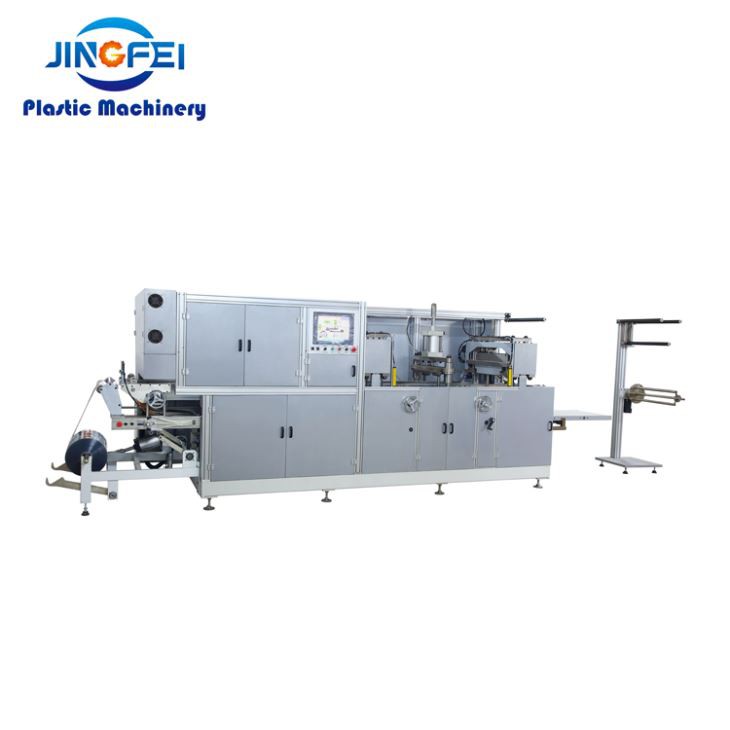
We offer different types of thermoforming machines, such as the Dome Lid Making Machine, Automatic Plastic Injection Machine, and Plastic Cover Making Machine. Each of these machines has its own unique features and requirements, but the basic principles are the same.
Safety Training First and Foremost
Safety should always be the top priority when operating any industrial machinery, and thermoforming machines are no exception. Here are some key areas to cover in safety training:
- Personal Protective Equipment (PPE): Operators need to know what kind of PPE they should wear. This usually includes safety glasses to protect their eyes from flying debris, heat-resistant gloves when dealing with hot parts of the machine, and steel-toed boots to safeguard their feet.
- Machine Safety Features: Every thermoforming machine comes equipped with safety features like emergency stop buttons, guards, and sensors. Operators must be trained to understand how these features work and when to use them. For example, they should know exactly where the emergency stop button is located and be able to reach it in case of an emergency.
- Hazard Awareness: The heating process in thermoforming machines poses a risk of burns. Operators should be trained to recognize potential hazards, such as hot surfaces, moving parts, and electrical components. They should also know the proper procedures for handling and disposing of any waste materials produced during the process.
Technical Training
Once operators have a good grasp of safety, it's time to dive into the technical aspects of operating the thermoforming machine. This includes:
- Machine Components and Controls: Operators need to familiarize themselves with the different parts of the machine. They should know the function of each component, from the heating elements and feed mechanisms to the mold clamping system. They also need to learn how to use the machine's controls, such as the touchscreen panel, switches, and knobs. For example, they should be able to adjust the temperature settings, set the cycle time, and control the movement of the machine.
- Material Handling: Different types of plastic sheets require different handling techniques. Operators need to learn how to properly load the plastic sheets into the machine, ensuring that they are aligned correctly and fed smoothly. They also need to understand the properties of the different plastics, such as their melting points, flexibility, and durability. This knowledge will help them choose the right material for each job and make any necessary adjustments to the machine settings.
- Mold Setup and Changeover: Molds are used to shape the plastic sheets into the desired products. Operators need to be trained on how to install and remove molds safely and efficiently. They should know how to align the mold correctly, adjust the clamping pressure, and make any necessary adjustments to the machine to ensure a perfect fit. Changing molds can be a time-consuming process, so operators should also be taught how to perform quick changeovers to minimize downtime.
Quality Control Training
Producing high-quality products is essential for any business. Therefore, operators need to be trained in quality control techniques to ensure that the products they make meet the required standards.
- Inspection Procedures: Operators should learn how to inspect the finished products for defects, such as cracks, warping, and unevenness. They should know what inspection tools to use, such as calipers, gauges, and magnifying glasses. They also need to understand the acceptance criteria for each product and how to identify any non-conforming items.
- Process Monitoring: They need to be able to monitor the thermoforming process closely to detect any issues early on. This includes monitoring the temperature, pressure, and cycle time to ensure that they are within the specified limits. If any deviations are detected, operators should know how to make the necessary adjustments to the machine settings to correct the problem.
Troubleshooting and Maintenance Training
No machine is perfect, and problems can occur from time to time. That's why operators need to be trained in troubleshooting and maintenance techniques.
- Troubleshooting: Operators should be able to identify common problems that may occur during the thermoforming process, such as poor mold release, inconsistent heating, and machine jams. They should know how to diagnose the issue and take the appropriate steps to fix it. For example, if there is a problem with the mold release, they may need to clean the mold, apply a release agent, or adjust the machine settings.
- Maintenance Procedures: Regular maintenance is essential to keep the thermoforming machine running smoothly and prevent breakdowns. Operators should be trained on basic maintenance tasks, such as cleaning the machine, lubricating the moving parts, and checking the electrical connections. They should also know when to schedule more in-depth maintenance, such as replacing worn-out parts or having the machine serviced by a professional technician.
Continuous Learning and Improvement
The thermoforming industry is constantly evolving, with new technologies and materials being introduced all the time. That's why it's important for operators to participate in ongoing training and professional development programs. This will help them stay up-to-date with the latest trends and techniques, improve their skills, and increase their productivity.
As a supplier of thermoforming machines, we offer comprehensive training programs for our customers. Our training courses are designed to provide operators with the knowledge and skills they need to operate our machines safely and efficiently. We also offer on-site training and support to ensure that our customers get the most out of their investment.

If you're interested in learning more about our thermoforming machines or our training programs, we encourage you to get in touch with us. We'd be happy to discuss your specific needs and help you find the right solution for your business. Whether you're just starting out or looking to upgrade your existing equipment, we're here to support you every step of the way.
References
- Thermoforming Handbook, Third Edition by Thomas I. Butler
- Industrial Safety Manual for Thermoforming Operations, National Association of Thermoforming Equipment Suppliers


