

Hey there! As a supplier of Punching Mold, I've seen firsthand the importance of safety when operating these machines. Punching mold machines are powerful tools that can make all sorts of parts, but they can also be pretty dangerous if you don't follow the rules. So, let's talk about the safety regulations you need to know before firing up one of these bad boys.
Pre - operation Checks
Before you even think about starting the punching mold machine, you gotta do a thorough check. First off, take a look at the machine itself. Make sure there are no loose parts, cracks, or signs of wear and tear. Check all the bolts and nuts to ensure they're tightened properly. Loose components can cause the machine to malfunction during operation, which is a major safety hazard.
Next, examine the punching mold. Inspect it for any damage, like chips or bends. A damaged mold can not only produce faulty parts but also pose a risk to the operator. If you find any issues with the mold, don't use it. Replace it or get it repaired by a professional.
Also, check the electrical connections. Make sure all the wires are intact and there are no exposed conductors. Faulty electrical connections can lead to electric shocks or even fires. And don't forget to check the grounding of the machine. A proper ground is essential to prevent electrical hazards.
Personal Protective Equipment (PPE)
Wearing the right PPE is non - negotiable when operating a punching mold machine. First up, safety glasses are a must. They protect your eyes from flying debris, which is very common when the machine is in operation. Metal shavings, small parts, or even dust can get into your eyes and cause serious damage.
You should also wear ear protection. Punching mold machines can be really noisy, and prolonged exposure to loud noise can lead to hearing loss. Earplugs or earmuffs are easy to use and can make a big difference in protecting your hearing.
Gloves are another important piece of PPE. They protect your hands from cuts, abrasions, and burns. But make sure the gloves you wear are appropriate for the task. Some gloves might get caught in the moving parts of the machine, so choose gloves that fit well and are designed for machine operation.
A safety helmet is also recommended, especially if there's a risk of objects falling from above. And if you're working in an area where there's a risk of chemical exposure, you might need to wear a respirator.
Machine Operation
When operating the punching mold machine, follow the manufacturer's instructions carefully. Don't try to take shortcuts or operate the machine in a way that it wasn't intended. Start the machine slowly and let it warm up if necessary. This helps to ensure that all the components are working properly before you start producing parts.
Keep your hands and other body parts away from the moving parts of the machine. The punching area is extremely dangerous, and even a small mistake can result in serious injury. Use the appropriate tools, like tongs or grippers, to load and unload parts from the mold.
Don't overload the machine. Each punching mold machine has a specific capacity, and exceeding it can cause the machine to break down or malfunction. Check the specifications of the machine and make sure you're using it within its limits.
Also, be careful when adjusting the settings of the machine. Only make adjustments when the machine is turned off and the power is disconnected. This prevents accidental start - up and reduces the risk of injury.
Maintenance and Inspection
Regular maintenance and inspection of the punching mold machine are crucial for safety. Schedule routine maintenance checks to ensure that all the components are in good working condition. This includes checking the lubrication of the moving parts, inspecting the belts and chains, and testing the safety features.
Replace worn - out parts promptly. Don't wait until a part fails completely before replacing it. This can not only cause damage to the machine but also put the operator at risk. Keep a stock of common spare parts, like punches and dies, so you can replace them quickly when needed.
Inspect the safety features of the machine regularly. These include emergency stop buttons, safety guards, and interlocks. Make sure they're all working properly. If any of the safety features are not functioning correctly, don't operate the machine until they're repaired.
Training and Education
All operators of the punching mold machine should receive proper training. This training should cover not only the operation of the machine but also safety procedures. New operators should be trained by experienced workers or professional trainers.
Refresher courses should be provided regularly to keep operators up - to - date with the latest safety regulations and best practices. Training should also include what to do in case of an emergency, like how to use the fire extinguisher or perform first aid.
Emergency Preparedness
You never know when an emergency might happen, so it's important to be prepared. Make sure there are clearly marked emergency exits in the work area. Keep the exits unobstructed at all times.
Have a fire extinguisher nearby and make sure all operators know how to use it. In case of a fire, the first few minutes are crucial, and a quick response can prevent the fire from spreading.
Also, have a first - aid kit readily available. And all operators should be trained in basic first - aid procedures. In case of an injury, immediate first - aid can make a big difference in the outcome.
Additional Molds and Their Safety
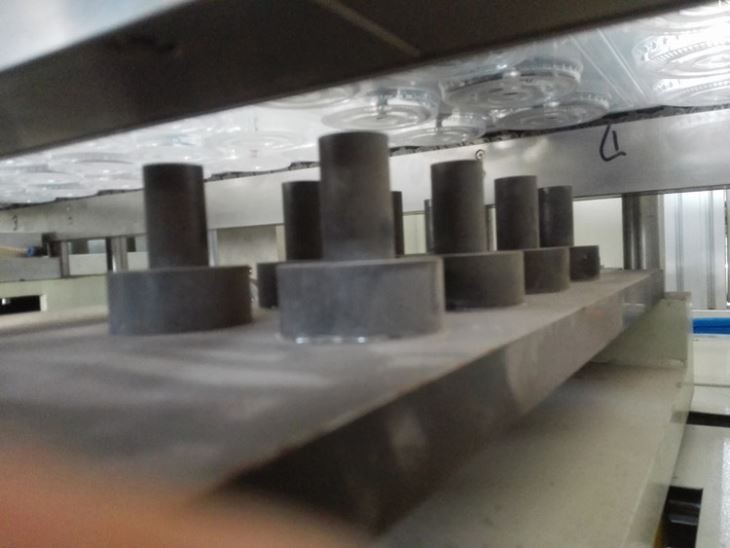
As a supplier, we also offer other types of molds, such as Forming Mold for Thermoforming Machine and Cutting Mold. Each of these molds has its own safety requirements.
For forming molds in thermoforming machines, you need to be careful with the high temperatures involved. Wear heat - resistant gloves and protective clothing. Also, make sure the ventilation system is working properly to remove any fumes or vapors.
When using cutting molds, similar to punching molds, keep your hands away from the cutting area. The blades are very sharp and can cause severe cuts. Follow the same safety procedures regarding PPE and machine operation.
Contact for Procurement
If you're in the market for high - quality punching molds, forming molds for thermoforming machines, or cutting molds, we're here to help. We've got a wide range of molds to meet your needs, and we're committed to providing you with safe and reliable products. Reach out to us to discuss your requirements and let's start a great business partnership.

References
- Manufacturer's manuals for punching mold machines
- Occupational Safety and Health Administration (OSHA) guidelines for machine operation
- Industry best practices for mold manufacturing and operation


