

Designing a cutting mold with good ergonomics is a crucial aspect of manufacturing, especially when considering the long - term efficiency, safety, and productivity of the operators. As a cutting mold supplier, I have witnessed firsthand the impact that well - designed molds can have on the overall manufacturing process. In this blog, I will share some key considerations and steps for designing a cutting mold with excellent ergonomics.
Understanding the Operator's Workflow
The first step in designing an ergonomic cutting mold is to have a deep understanding of the operator's workflow. This involves observing the actual work environment, the tasks the operator performs, and the physical movements they make during the cutting process. For example, if the operator has to repeatedly pick up and place materials into the mold, the design should minimize the distance and effort required for these movements.
By understanding the workflow, we can identify potential pain points and areas where the mold design can be improved. For instance, if the operator has to bend down frequently to access the mold, we can design the mold to be at a more comfortable height. This not only reduces the risk of musculoskeletal disorders but also increases the operator's efficiency.
Anthropometric Considerations
Anthropometry is the study of human body measurements. When designing a cutting mold, it is essential to consider the anthropometric data of the target operators. This includes factors such as height, reach, and hand size. For example, the handles of the mold should be designed to fit comfortably in the operator's hand, regardless of their hand size.
According to anthropometric studies, the average hand grip strength and range of motion vary among individuals. A well - designed mold handle should be within the comfortable grip range of most operators. This can prevent fatigue and reduce the likelihood of hand injuries over time. Additionally, the overall height of the mold should be adjusted to accommodate the average height of the operators, so they do not have to strain their backs or necks during operation.
Visibility and Accessibility
Good visibility and accessibility are key aspects of ergonomic mold design. The operator should be able to clearly see the cutting area and the material being processed. This can be achieved by using transparent or open - design elements in the mold structure. For example, if the mold has a cover, it can be made of a clear material to allow the operator to monitor the cutting process without having to remove the cover.
Accessibility is also crucial. The mold should be designed in such a way that the operator can easily insert and remove materials, as well as perform any necessary adjustments or maintenance. For instance, the fasteners and adjustment mechanisms should be located in easily reachable positions. This reduces the time and effort required for these tasks and improves the overall efficiency of the operation.
Reducing Vibration and Noise
Cutting molds often generate vibration and noise during operation. Excessive vibration can cause hand - arm vibration syndrome (HAVS) in operators, while high - level noise can lead to hearing loss. As a cutting mold supplier, we need to design molds that minimize these hazards.
One way to reduce vibration is to use vibration - dampening materials in the mold construction. For example, rubber or foam inserts can be used to absorb and dissipate vibration energy. Additionally, the cutting mechanism can be designed to operate smoothly, reducing the generation of vibration.
To reduce noise, we can use sound - absorbing materials and design the mold to operate more quietly. For example, the cutting blades can be sharpened to reduce the force required for cutting, which in turn reduces the noise generated during the cutting process.
Ease of Use and Maintenance
An ergonomic cutting mold should be easy to use and maintain. The controls and interfaces of the mold should be intuitive and user - friendly. For example, the buttons and switches should be clearly labeled, and their functions should be easy to understand. This reduces the learning curve for new operators and improves the overall productivity of the operation.
Maintenance is also an important consideration. The mold should be designed in a way that allows for easy disassembly and cleaning. For example, the parts of the mold should be modular, so they can be easily replaced or repaired. This reduces the downtime of the mold and ensures its long - term performance.
Integration with Existing Equipment
In many manufacturing settings, the cutting mold needs to be integrated with existing equipment, such as thermoforming machines or punching machines. When designing the mold, we need to ensure that it is compatible with the existing equipment in terms of size, shape, and operation.
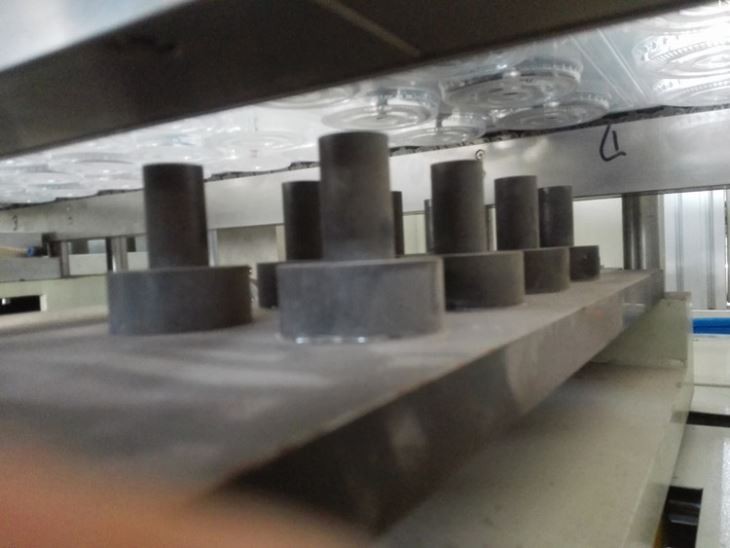
For example, if the mold is to be used with a Forming Mold for Thermoforming Machine, it should be designed to fit properly into the thermoforming machine's mold cavity. The interface between the mold and the machine should be seamless, allowing for smooth operation. Similarly, if the mold is used in conjunction with a Punching Mold, the alignment and synchronization between the two molds should be carefully considered.

Testing and Validation
Once the cutting mold is designed, it is essential to conduct testing and validation to ensure its ergonomic performance. This can involve using prototypes and conducting user trials. During the user trials, operators can provide feedback on the comfort, usability, and safety of the mold.
Based on the feedback, the design can be refined and improved. For example, if the operators find that a particular handle design is uncomfortable, the design can be modified to better fit their hands. This iterative process of testing and refinement ensures that the final mold design meets the highest standards of ergonomics.
Conclusion
Designing a cutting mold with good ergonomics is a complex but rewarding process. By considering factors such as the operator's workflow, anthropometric data, visibility, accessibility, vibration and noise reduction, ease of use and maintenance, and integration with existing equipment, we can create cutting molds that are not only efficient but also safe and comfortable for the operators.
As a Cutting Mold supplier, we are committed to providing our customers with high - quality, ergonomic cutting molds. If you are interested in our products or have any questions about cutting mold design, please feel free to contact us for further discussion and procurement negotiation. We look forward to working with you to meet your manufacturing needs.
References
- Kroemer, K. H. E., Kroemer, H. B., & Kroemer - Elbert, K. E. (2010). Engineering anthropometry handbook. CRC press.
- Konz, S., & Johnson, S. (2012). Work design: industrial ergonomics. Publishing Horizons.


