

How long does it take to manufacture a punching mold? This is a question I often get asked as a punching mold supplier. The answer isn't straightforward, as it depends on a multitude of factors. In this blog, I'll break down these factors and give you a clearer picture of the time frame involved in punching mold manufacturing.
Understanding the Basics of Punching Molds
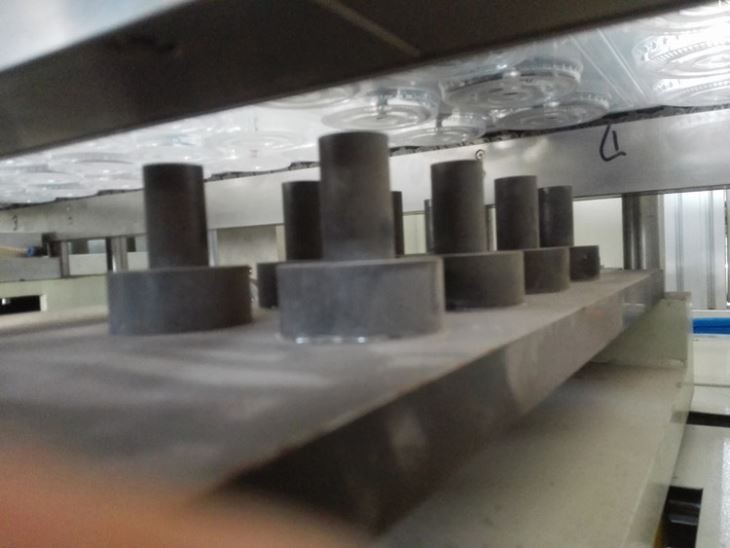
Before delving into the manufacturing time, let's briefly understand what punching molds are. Punching molds are essential tools used in the metalworking industry to cut, shape, or form metal sheets into specific designs. They are used in a wide range of applications, from automotive parts manufacturing to electronics production. As a punching mold supplier, I've seen firsthand the diverse needs of different industries and the complexity of the molds required.

Factors Affecting Manufacturing Time
1. Design Complexity
The design of the punching mold is one of the most significant factors influencing manufacturing time. Simple designs with basic shapes and fewer features can be manufactured relatively quickly. For example, a mold with a single, straightforward cutout may take only a few days to produce. On the other hand, complex designs with intricate patterns, multiple cutouts, or special features can take weeks or even months. Consider a mold for a custom automotive part with detailed contours and precise tolerances. The design process alone can take a considerable amount of time, as engineers need to ensure that the mold will produce parts that meet the strict quality standards of the automotive industry.
2. Material Selection
The choice of material for the punching mold also plays a crucial role in the manufacturing time. Different materials have different properties, such as hardness, toughness, and wear resistance, which affect the machining process. Common materials used for punching molds include tool steel, carbide, and hardened alloys. Tool steel is a popular choice due to its relatively low cost and good machinability. However, it may require additional heat treatment processes to achieve the desired hardness. Carbide, on the other hand, is extremely hard and wear-resistant but is more difficult to machine. Machining carbide molds can take significantly longer than tool steel molds, as specialized equipment and techniques are required.
3. Production Volume
The number of punching molds to be produced also impacts the manufacturing time. If you need a single prototype mold for testing purposes, the production time may be shorter. This is because the focus is on quickly producing a functional mold without the need for large-scale production processes. However, if you require a large quantity of molds, the manufacturing time will increase. Mass production involves additional steps, such as setting up production lines, ensuring consistent quality across all molds, and scheduling production runs. For example, if a customer orders 100 identical punching molds, the supplier needs to plan the production process carefully to meet the deadline while maintaining high-quality standards.
4. Precision and Tolerance Requirements
The level of precision and tolerance required for the punching mold is another important factor. In industries where parts need to fit together perfectly, such as aerospace or electronics, the molds must be manufactured with extremely high precision. Achieving tight tolerances requires advanced machining techniques and careful quality control. This can significantly increase the manufacturing time, as each step of the production process needs to be monitored closely to ensure that the mold meets the specified tolerances. For instance, a mold for a microelectronic component may require tolerances in the range of micrometers, which demands highly accurate machining and inspection processes.
Typical Manufacturing Time Frames
Based on my experience as a punching mold supplier, here are some general time frames for different types of punching molds:
1. Simple Molds
Simple punching molds with basic designs and standard materials can typically be manufactured within 1 - 2 weeks. These molds are often used for low-volume production or quick prototyping. For example, a mold for a simple nameplate or a small metal bracket can be produced relatively quickly.
2. Medium - Complexity Molds
Molds with moderate complexity, such as those with multiple cutouts or slightly more detailed designs, usually take 2 - 4 weeks to manufacture. These molds may require additional machining operations and some level of precision, but they are still within the capabilities of standard manufacturing processes. An example of a medium - complexity mold could be a mold for a decorative metal panel with a few intricate patterns.
3. Complex Molds
Complex punching molds, such as those for high - precision automotive or aerospace parts, can take 4 weeks or more to manufacture. These molds often involve complex designs, tight tolerances, and the use of advanced materials. The manufacturing process may include multiple stages of machining, heat treatment, and surface finishing, as well as extensive quality control checks. For instance, a mold for a critical engine component in the automotive industry may take several months to produce due to its high level of complexity and strict quality requirements.
The Manufacturing Process
Let's take a closer look at the typical steps involved in manufacturing a punching mold:
1. Design
The first step is the design phase. This involves working closely with the customer to understand their requirements and specifications. Engineers use computer - aided design (CAD) software to create a detailed 3D model of the mold. The design process may take anywhere from a few days to several weeks, depending on the complexity of the mold. During this phase, factors such as the part geometry, material selection, and production volume are considered.
2. Material Preparation
Once the design is finalized, the appropriate material is selected and prepared. This may involve cutting the raw material to the required size and shape, as well as performing any necessary heat treatment processes. Material preparation can take a few days to a week, depending on the material and the quantity required.
3. Machining
The machining process is where the actual shape of the mold is created. This involves using various machining techniques, such as milling, turning, and grinding, to remove material and achieve the desired dimensions. The machining time can vary significantly depending on the complexity of the mold and the type of material. For simple molds, machining may take a few days, while complex molds can take several weeks.
4. Heat Treatment
After machining, the mold may need to undergo heat treatment to improve its hardness and wear resistance. Heat treatment processes, such as quenching and tempering, can take a few days to complete. The exact time depends on the material and the specific heat treatment requirements.
5. Surface Finishing
Surface finishing is an important step to ensure that the mold has a smooth surface and good release properties. This may involve processes such as polishing, plating, or coating. Surface finishing can take a few days to a week, depending on the desired finish and the size of the mold.
6. Quality Control
Throughout the manufacturing process, quality control checks are performed to ensure that the mold meets the specified requirements. This includes dimensional inspections, hardness testing, and visual inspections. Quality control can add a few days to the overall manufacturing time, but it is essential to ensure the reliability and performance of the mold.
Related Products
If you're interested in other types of molds, we also offer Forming Mold for Thermoforming Machine and Cutting Mold. These molds are designed to meet the specific needs of different industries and can be customized to your requirements. For more information about our Punching Mold products, please visit our website.
Conclusion
In conclusion, the time it takes to manufacture a punching mold depends on several factors, including design complexity, material selection, production volume, and precision requirements. As a punching mold supplier, I understand the importance of delivering high - quality molds within a reasonable time frame. If you have a project that requires a punching mold, I encourage you to contact us for a detailed quote and to discuss your specific needs. Our team of experts will work closely with you to ensure that your mold is designed and manufactured to the highest standards. Whether you need a simple prototype or a large - scale production mold, we have the experience and capabilities to meet your requirements.
References
- "Tool and Manufacturing Engineers Handbook", Society of Manufacturing Engineers
- "Metalworking: Processes and Equipment", John R. Schey


