

Hey there! I'm super stoked to chat with you today about how cutting molds are used in the textile industry. As a cutting mold supplier, I've seen firsthand the crucial role these molds play in shaping the world of textiles. So, let's dive right in!
The Basics of Cutting Molds in Textiles
First things first, what exactly are cutting molds? Well, you can think of them as precision tools. They're made to cut various textile materials into specific shapes and sizes. It's like having a super - accurate pair of scissors, but on a much larger and more efficient scale.
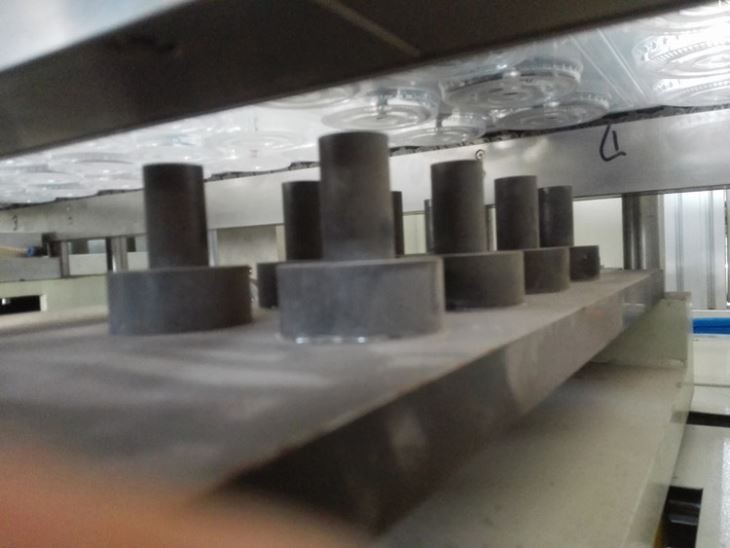

In the textile industry, fabrics come in all sorts of materials, from delicate silks to heavy - duty denims. Cutting molds need to be designed to handle these different materials effectively. For instance, when dealing with silk, the mold has to be extremely sharp and precise to avoid fraying the delicate threads. On the other hand, cutting denim requires a more robust mold that can cut through the thick fabric without getting dull quickly.
Pattern Cutting
One of the most common uses of cutting molds in textiles is pattern cutting. Designers create all sorts of cool and unique patterns for clothing, home textiles, and more. Once the pattern is finalized, a cutting mold is made to match it exactly.
Let's say you want to make a batch of T - shirts with a specific logo on them. The logo is part of the pattern. A cutting mold is crafted to cut out that logo shape from different colored fabrics. This ensures that every single T - shirt has the logo cut with the same precision. It wouldn't look good if one logo was a bit off - center or had a ragged edge, right?
Pattern cutting with cutting molds is not just for small logos. It's also used for cutting out entire pieces of clothing, like sleeves, collars, and the main body of a garment. This allows for mass production of clothing items with consistent quality. You can check out our Cutting Mold page to see some of the patterns we can help you create.
Layering and Batch Cutting
Another neat aspect of using cutting molds in the textile industry is layering and batch cutting. Textile manufacturers often have to cut a large number of pieces at once to save time and money. They stack multiple layers of fabric on top of each other and then use the cutting mold to cut through all the layers simultaneously.
For example, a furniture manufacturer might need to cut thousands of fabric pieces for sofa cushions. Instead of cutting one piece at a time, they can layer up a stack of fabric and use a cutting mold to cut through 20, 30, or even more layers at once. This is a huge time - saver and increases productivity like crazy.
But it's not as simple as just stacking the fabric and cutting. Different fabrics behave differently when layered. Some might shift during the cutting process, which can affect the accuracy of the cut. That's why our cutting molds are designed with features to hold the fabric in place, ensuring a clean and precise cut, even through multiple layers.
Die - Cutting in Textiles
Die - cutting is a specific type of cutting mold usage that's quite popular in the textile field. A die - cutting mold is like a custom - shaped blade. It's pressed into the fabric to cut out the desired shape.
Die - cutting is great for creating intricate and detailed shapes. For example, in the production of lace or intricate appliques, die - cutting molds can cut out the tiny, delicate patterns with ease. These molds can be made from different materials, like metal or plastic, depending on the requirements of the cutting job.
If you're into creating high - end, detailed textile products, die - cutting with the right cutting mold is the way to go. You can explore more about our die - cutting Cutting Mold options on our website.
Combining with Other Processes
Cutting molds don't always work alone in the textile industry. They're often combined with other processes, like thermoforming and punching.
Let's start with thermoforming. Thermoforming involves heating a plastic or textile material until it's soft and then using a mold to shape it. In some cases, a Forming Mold for Thermoforming Machine is used first to give the fabric a basic shape. After that, a cutting mold comes in to trim off the excess material and give the final, precise shape.
Punching is another related process. A Punching Mold is used to create holes in the fabric. This is often done for things like ventilation holes in sportswear or decorative perforations in fashion items. Cutting molds can work in tandem with punching molds to create a finished product with both the right shape and the necessary holes.
Quality and Customization
As a cutting mold supplier, I know that quality is key. A high - quality cutting mold can last a long time and produce consistent results. We use the best materials and manufacturing techniques to ensure our molds are durable and accurate.
Customization is also a big deal. Every textile manufacturer has different needs. Whether you're a small - scale boutique designer or a large - scale mass - producer, you might need a cutting mold that's unique to your products. That's where we come in. We can work with you to design and create a cutting mold that matches your exact specifications.
Cost - Efficiency
Using cutting molds in the textile industry is also cost - efficient in the long run. Sure, making a cutting mold initially might seem like an investment. But when you consider the time and labor saved in the cutting process, it's totally worth it.
With a cutting mold, you reduce the likelihood of human error. You won't have workers cutting fabric inaccurately, which can lead to wasted materials. And since you can cut multiple layers at once, you're using the fabric more efficiently, which saves money on raw materials.
Maintenance and Upkeep
To keep cutting molds working at their best, proper maintenance is essential. after each use, you should clean the mold to remove any fabric fibers or debris. This helps prevent the mold from getting dull or clogged.
Periodically, the mold might need to be sharpened or have small parts replaced. as a supplier, we also offer maintenance services and spare parts to keep your cutting molds in top condition.
Contact Us for Your Cutting Mold Needs
If you're in the textile industry and looking for high - quality cutting molds, we'd love to hear from you. Whether you're just starting out and need a simple mold for a new product line or you're an established manufacturer looking to upgrade your cutting tools, we've got you covered.
We can provide you with detailed information about our cutting molds, including their specifications, pricing, and delivery times. Simply get in touch with us to start the conversation about how our cutting molds can take your textile production to the next level.
References
- Textile Machinery Handbook: This comprehensive resource covers all aspects of textile manufacturing processes, including the use of cutting molds.
- Journal of Textile Research: Articles in this journal often discuss the latest advancements in textile cutting technologies and the performance of different types of cutting molds.
- Industry reports from leading textile research firms that analyze the market trends and the role of cutting molds in the modern textile industry.


