

Hey there! As a supplier of mold spare parts, I often get asked whether there are any environmental requirements for using these parts. Well, the answer is a definite yes, and in this blog, I'll break down why and what those requirements are.
First off, let's talk about why environmental requirements matter when it comes to mold spare parts. In today's world, we're all more aware of the impact our actions have on the environment. From reducing waste to minimizing pollution, every little bit helps. When it comes to mold spare parts, the materials they're made of, how they're used, and how they're disposed of all play a role in their environmental footprint.
Material Selection
The materials used to make mold spare parts can have a significant impact on the environment. For example, some metals used in molds can be mined in a way that's harmful to the environment. Mining operations can cause deforestation, soil erosion, and water pollution. That's why it's important to choose materials that are sourced responsibly.
At our company, we make sure to source our materials from suppliers who follow strict environmental standards. We look for metals that are recycled or mined in an environmentally friendly way. For instance, we use recycled steel in many of our Punching Mold parts. Recycling steel reduces the need for new mining, which in turn saves energy and reduces greenhouse gas emissions.
Another aspect of material selection is the use of non-toxic materials. Some chemicals used in the manufacturing of mold spare parts can be harmful to the environment and human health. We avoid using these chemicals and opt for non-toxic alternatives. This not only helps protect the environment but also ensures the safety of our customers who use our parts.
Energy Efficiency
The energy consumption of mold spare parts during their use is another important environmental consideration. Molds are often used in high-energy processes such as injection molding, stamping, and thermoforming. Using energy-efficient mold spare parts can significantly reduce the overall energy consumption of these processes.
For example, our Cutting Mold parts are designed to be highly efficient. They are made with precision to ensure that they cut through materials with minimal energy waste. This means that less energy is required to operate the cutting machines, which reduces the carbon footprint of the manufacturing process.
In addition to the design of the parts themselves, we also provide our customers with tips on how to optimize the energy efficiency of their mold operations. This includes proper maintenance of the molds, using the right lubricants, and adjusting the operating parameters of the machines to match the specific requirements of the molds.
Waste Reduction
Waste reduction is a key environmental goal in the use of mold spare parts. During the manufacturing process, there is often waste generated in the form of scrap metal, plastic, and other materials. We take steps to minimize this waste by using advanced manufacturing techniques.
For example, we use computer-aided design (CAD) and computer-aided manufacturing (CAM) systems to optimize the cutting and shaping of our mold spare parts. This ensures that the maximum amount of material is used and the minimum amount of waste is generated. Any scrap materials that are produced are recycled whenever possible.

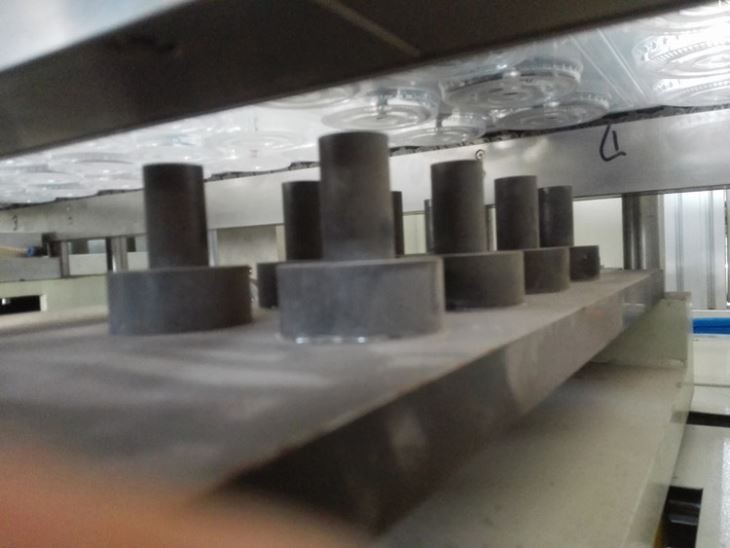
We also encourage our customers to recycle their old mold spare parts. When a part reaches the end of its useful life, it can often be recycled into new parts. This not only reduces waste but also saves resources. We can provide our customers with information on local recycling facilities and help them with the recycling process.
Disposal
Proper disposal of mold spare parts is crucial to protect the environment. Some parts may contain hazardous materials that need to be disposed of in a special way. We make sure to label our parts clearly to indicate any hazardous materials they may contain.
For parts that are not hazardous, we recommend recycling or reusing them whenever possible. If recycling is not an option, the parts should be disposed of in a landfill that meets environmental standards. We can provide our customers with guidance on the proper disposal methods for different types of mold spare parts.
Compliance with Regulations
There are various environmental regulations that govern the use of mold spare parts. These regulations can vary from country to country and region to region. As a responsible supplier, we make sure that our products comply with all relevant environmental regulations.
We stay up-to-date with the latest regulations and work closely with our customers to ensure that they are also in compliance. This includes providing them with the necessary documentation and information to prove that our parts meet the environmental standards.
The Benefits of Meeting Environmental Requirements
Meeting environmental requirements for mold spare parts is not only good for the environment but also has several benefits for our customers. Firstly, it can help them improve their own environmental performance. By using our energy-efficient and environmentally friendly parts, they can reduce their carbon footprint and meet their sustainability goals.
Secondly, it can enhance their reputation. In today's market, consumers are increasingly concerned about the environmental impact of the products they buy. By using environmentally friendly mold spare parts, our customers can demonstrate their commitment to sustainability and gain a competitive edge.
Finally, it can lead to cost savings. Energy-efficient parts can reduce energy consumption, which means lower energy bills. Recycling and reusing parts can also save on material costs.
Conclusion
In conclusion, there are definitely environmental requirements for the use of mold spare parts. From material selection to disposal, every aspect of the use of these parts can have an impact on the environment. As a supplier, we are committed to providing our customers with high-quality, environmentally friendly mold spare parts.
If you're in the market for mold spare parts and are concerned about the environment, we'd love to hear from you. Whether you need Punching Mold, Cutting Mold, or Forming Mold for Thermoforming Machine parts, we can provide you with the right solutions. Contact us today to start a discussion about your specific needs and how we can help you meet your environmental and business goals.
References
- Environmental Protection Agency (EPA). (2023). "Guidelines for Sustainable Manufacturing".
- International Organization for Standardization (ISO). (2023). "ISO 14001: Environmental Management Systems".
- World Steel Association. (2023). "Steel Recycling and Sustainability".


