

As a supplier of Dome Lid Making Machines, I've often been asked about the waste rate of these machines. Understanding the waste rate is crucial for businesses, as it directly impacts production costs, efficiency, and environmental sustainability. In this blog, I'll delve into what the waste rate of a Dome Lid Making Machine is, the factors that influence it, and how to minimize it.
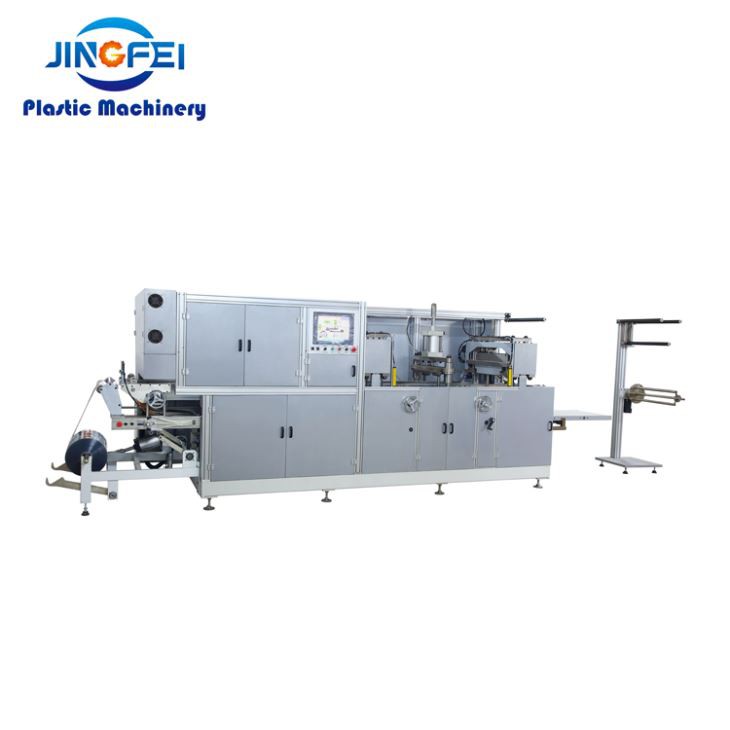

What is the Waste Rate of a Dome Lid Making Machine?
The waste rate of a Dome Lid Making Machine refers to the proportion of raw materials that are not converted into usable dome lids during the production process. It is typically expressed as a percentage. For example, if a machine uses 100 kilograms of plastic material to produce dome lids and 10 kilograms of that material is wasted, the waste rate is 10%.
This waste can come in various forms. There may be excess material trimmed off during the shaping process to achieve the desired dome lid size and shape. Scrap pieces may also result from defective products that do not meet quality standards, such as lids with cracks, uneven edges, or improper sealing.
Factors Influencing the Waste Rate
- Machine Design and Technology
The design of the Dome Lid Making Machine plays a significant role in determining the waste rate. Advanced machines are often equipped with precision cutting and forming mechanisms that can minimize the amount of excess material removed. For instance, some modern machines use computer - controlled cutting systems that can optimize the layout of the lids on the plastic sheet, reducing the space between individual lids and thus decreasing the amount of scrap.
On the other hand, older or less sophisticated machines may have less accurate cutting tools, leading to wider trimming margins and more waste. Additionally, machines with poor temperature control during the thermoforming process may produce more defective lids, increasing the overall waste rate. - Raw Material Quality
The quality of the raw materials used in the production of dome lids also affects the waste rate. Low - quality plastic sheets may have inconsistent thickness, surface defects, or impurities. These issues can cause problems during the forming process, such as uneven stretching or cracking, resulting in a higher number of defective products.
For example, if a plastic sheet has a thickness variation of more than the acceptable range, the machine may not be able to form the lids correctly, leading to a significant increase in waste. High - quality raw materials, on the other hand, are more likely to produce consistent and defect - free lids, reducing the waste rate. - Operator Skill and Training
The skill level of the machine operators is another important factor. Well - trained operators understand how to set up the machine correctly, adjust the parameters according to the raw material and product requirements, and perform regular maintenance. They can quickly identify and address any issues that may arise during the production process, such as misaligned cutting blades or temperature fluctuations.
In contrast, inexperienced operators may make mistakes in setting up the machine, which can lead to increased waste. For example, incorrect settings for the forming pressure or temperature can result in defective lids. Moreover, if operators do not perform routine maintenance, the machine may not operate at its optimal level, leading to a higher waste rate. - Production Volume and Batch Size
The scale of production can also impact the waste rate. In general, larger production volumes and batch sizes tend to have a lower waste rate. This is because the setup time and initial adjustments for the machine are spread over a larger number of products. For example, when producing a small batch of dome lids, the machine may need to be set up and calibrated, and during this process, some material may be wasted. However, if the production volume is large, the proportion of this setup - related waste to the total production is relatively small.
How to Minimize the Waste Rate
- Invest in High - Quality Machines
Investing in a state - of - the - art Dome Lid Making Machine is one of the most effective ways to reduce the waste rate. Modern machines, such as the ones we offer at [Supplier], are designed with advanced technology to optimize the production process. They have precise cutting and forming capabilities, as well as advanced control systems that can ensure consistent product quality.
For example, our [specific model] Dome Lid Making Machine uses a high - precision servo - driven cutting system that can cut the lids with minimal excess material. It also has a real - time monitoring system that can detect and correct any deviations in the production process, reducing the number of defective products. You can learn more about our Dome Lid Making Machine by visiting this link: Dome Lid Making Machine. - Source High - Quality Raw Materials
Working with reliable suppliers to obtain high - quality raw materials is essential. Before purchasing plastic sheets, it is important to conduct quality inspections to ensure that they meet the required standards. Look for materials with consistent thickness, smooth surfaces, and no visible defects.
Some suppliers offer pre - tested and certified plastic sheets, which can provide an additional level of assurance. By using high - quality raw materials, you can significantly reduce the number of defective products and lower the waste rate. - Provide Operator Training
Regular training for machine operators is crucial for minimizing waste. Training programs should cover machine operation, parameter setting, quality control, and maintenance. Operators should be familiar with the machine's features and functions and know how to troubleshoot common problems.
For example, training on how to adjust the temperature and pressure settings according to the type of raw material can help produce better - quality lids. Additionally, operators should be trained to perform routine maintenance tasks, such as cleaning the cutting blades and lubricating the moving parts, to keep the machine in good working condition. - Optimize Production Planning
Proper production planning can also help reduce the waste rate. This includes scheduling large - scale production runs whenever possible to take advantage of economies of scale. It is also important to plan the layout of the lids on the plastic sheet carefully. By using software tools that can optimize the nesting of the lids, you can minimize the amount of space between individual lids and reduce the amount of scrap material.
Comparing with Other Thermoforming Machines
It's interesting to compare the waste rate of Dome Lid Making Machines with other types of thermoforming machines, such as the Plastic Vacuum Forming Machine and the Egg Tray Box Thermoforming Machine.
Plastic Vacuum Forming Machines are used to produce a variety of plastic products, including cup lids. The waste rate of these machines can vary depending on the complexity of the products. In general, for simple cup lids, the waste rate may be similar to that of Dome Lid Making Machines. However, for more complex shapes, the waste rate may be higher due to the need for more extensive trimming.
Egg Tray Box Thermoforming Machines, on the other hand, are designed to produce egg trays and boxes. The waste rate of these machines can be relatively high because the shape of the egg trays and boxes often requires a significant amount of material to be removed during the trimming process. However, with proper machine design and production planning, the waste rate can still be managed.
Conclusion
The waste rate of a Dome Lid Making Machine is an important factor that businesses need to consider. By understanding the factors that influence the waste rate and implementing strategies to minimize it, such as investing in high - quality machines, using high - quality raw materials, providing operator training, and optimizing production planning, businesses can reduce production costs, improve efficiency, and contribute to environmental sustainability.
If you are interested in learning more about our Dome Lid Making Machines or have any questions regarding waste rate reduction, please feel free to contact us. We are committed to providing you with the best solutions for your dome lid production needs.
References
- "Thermoforming Technology and Applications" - A comprehensive book on thermoforming processes and machine design.
- Industry reports on plastic packaging production and waste management.


