

As a cutting mold supplier, I've witnessed firsthand the pivotal role that cutting molds play in various industries, from manufacturing to packaging. The efficiency of a cutting mold is not just a matter of speed; it encompasses precision, durability, and overall performance. In this blog post, I'll delve into the key factors that affect the efficiency of a cutting mold, providing insights that can help businesses optimize their operations and achieve better results.
Material Selection
The choice of material for a cutting mold is fundamental to its efficiency. Different materials possess unique properties that can significantly impact the mold's performance. For instance, high - speed steel (HSS) is known for its excellent hardness and wear resistance, making it suitable for high - volume cutting operations. It can withstand the high temperatures and pressures generated during cutting, ensuring a longer tool life.
Carbide is another popular material choice. It offers superior hardness compared to HSS, which means it can maintain its sharpness for a longer time. Carbide cutting molds are often used in applications where precision and high - quality cuts are required, such as in the electronics and aerospace industries.
On the other hand, aluminum molds are lightweight and cost - effective. They are ideal for prototyping and low - volume production runs. However, they may not be as durable as HSS or carbide molds and are more prone to wear and deformation. You can find a wide range of Cutting Mold options on our website, each crafted from carefully selected materials to meet different industry needs.
Design and Geometry
The design and geometry of a cutting mold have a profound impact on its efficiency. A well - designed mold can reduce cutting forces, minimize waste, and improve the quality of the cut. For example, the shape of the cutting edge is crucial. A sharp, properly angled cutting edge can slice through materials more easily, reducing the energy required for cutting and preventing material deformation.
The number and arrangement of cutting teeth also matter. In a saw - like cutting mold, more teeth can provide a smoother cut, but they may also increase the cutting force. The spacing between the teeth needs to be optimized to ensure efficient chip removal. If chips are not removed effectively, they can clog the mold, leading to overheating and premature wear.

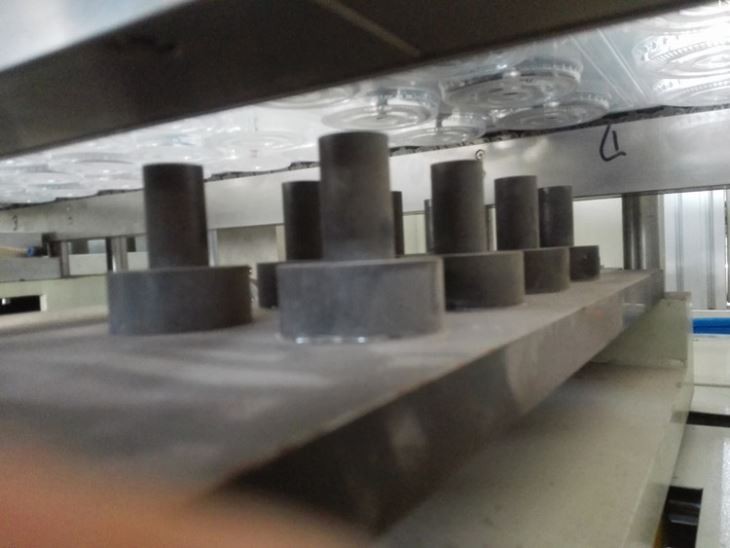
In addition, the overall structure of the mold should be designed to withstand the stresses of cutting. Reinforced sections and proper support structures can prevent the mold from bending or breaking during operation. Our engineers are experts in mold design, creating Cutting Mold solutions that are both efficient and reliable.
Manufacturing Process
The manufacturing process of a cutting mold is a critical factor in determining its efficiency. Precision machining techniques, such as CNC (Computer Numerical Control) machining, are commonly used to ensure the accuracy and consistency of the mold. CNC machining allows for tight tolerances, which means the mold can be manufactured to exact specifications.
Heat treatment is another important step in the manufacturing process. Proper heat treatment can enhance the hardness, toughness, and wear resistance of the mold material. For example, quenching and tempering can transform the microstructure of the steel, improving its mechanical properties.
Surface finishing also plays a role in the efficiency of a cutting mold. A smooth surface finish can reduce friction between the mold and the material being cut, preventing material adhesion and reducing wear. It can also improve the flow of coolant and lubricant, which are essential for maintaining the temperature of the mold during operation.
Coolant and Lubrication
Coolant and lubrication are vital for the efficient operation of a cutting mold. During cutting, a significant amount of heat is generated due to friction between the mold and the material. Excessive heat can cause the mold to expand, leading to dimensional inaccuracies and premature wear. Coolant helps to dissipate this heat, keeping the mold at a stable temperature.
Lubrication, on the other hand, reduces friction between the cutting edge and the material. It can improve the quality of the cut by preventing the material from sticking to the mold and reducing the cutting force. There are various types of coolants and lubricants available, each suitable for different materials and cutting operations.
For example, water - based coolants are commonly used for general - purpose cutting. They are cost - effective and environmentally friendly. Oil - based lubricants, on the other hand, provide better lubrication and are often used in high - speed and high - pressure cutting operations. Proper application of coolant and lubricant is also important. It should be delivered directly to the cutting zone to ensure maximum effectiveness.
Operator Skill and Training
The skill and training of the operator using the cutting mold can have a significant impact on its efficiency. An experienced operator knows how to set up the machine correctly, adjust the cutting parameters, and monitor the operation of the mold. They can detect early signs of wear or malfunction and take appropriate measures to prevent further damage.
Proper training in mold handling and maintenance is also essential. Operators should know how to clean, inspect, and store the mold correctly. Regular maintenance can extend the life of the mold and ensure its continued efficiency. We offer training programs for our customers, equipping operators with the knowledge and skills needed to operate Cutting Mold efficiently.
Maintenance and Inspection
Regular maintenance and inspection are crucial for maintaining the efficiency of a cutting mold. Over time, the cutting edge of the mold will wear down, and the mold may develop cracks or other defects. By conducting regular inspections, these issues can be detected early, and the mold can be repaired or replaced before it causes significant problems.
Cleaning the mold after each use is an important part of maintenance. Removing chips, debris, and coolant residue can prevent corrosion and clogging. Sharpening the cutting edge when necessary can restore the mold's cutting performance.
In addition, the mold should be stored properly when not in use. It should be protected from moisture, dust, and physical damage. We provide maintenance guidelines and support to our customers, ensuring that their Cutting Mold remains in optimal condition.
Compatibility with the Machine
The compatibility of the cutting mold with the machine it is used on is also a factor that affects its efficiency. The mold should be properly mounted on the machine, and the machine's settings should be adjusted to match the requirements of the mold. For example, the cutting speed, feed rate, and depth of cut should be optimized based on the type of mold and the material being cut.
If the mold is not compatible with the machine, it can lead to uneven cutting, excessive wear, and even machine damage. Our team can provide guidance on selecting the right Cutting Mold for your specific machine and application, ensuring seamless integration and maximum efficiency.
In conclusion, the efficiency of a cutting mold is influenced by multiple factors, including material selection, design and geometry, manufacturing process, coolant and lubrication, operator skill, maintenance, and machine compatibility. By paying attention to these factors, businesses can improve the performance of their cutting molds, reduce costs, and enhance the quality of their products. If you are in the market for a high - efficiency Cutting Mold, Punching Mold, or Forming Mold for Thermoforming Machine, please feel free to contact us for a consultation. We are committed to providing you with the best mold solutions to meet your production needs.
References
- Kalpakjian, S., & Schmid, S. R. (2010). Manufacturing Engineering and Technology. Pearson.
- Boothroyd, G., Dewhurst, P., & Knight, W. A. (2011). Product Design for Manufacture and Assembly. CRC Press.
- Tool and Manufacturing Engineers Handbook (TMEH): Volume 1: Machining. Society of Manufacturing Engineers.


