As a punching mold supplier, I've witnessed firsthand the critical role that punching quality plays in various industries. The quality of punching can significantly impact the efficiency, cost, and overall success of manufacturing processes. In this blog, I'll delve into the key factors that affect the punching quality of a punching mold, drawing on my years of experience in the field.
1. Material Selection
The choice of material for the punching mold is fundamental to its performance. Different materials possess distinct properties such as hardness, toughness, and wear resistance, which directly influence the punching quality.
-
Tool Steel: Tool steel is a popular choice for punching molds due to its high hardness and wear resistance. It can withstand the high stresses and impacts during the punching process, ensuring a long service life. However, the hardness of tool steel also makes it brittle, which may lead to cracking if not properly heat - treated.
-
Carbide: Carbide is extremely hard and wear - resistant, making it suitable for punching high - volume and high - precision parts. It can maintain its sharp edge for a longer time compared to tool steel, resulting in cleaner punches and fewer burrs. But carbide is more expensive and more difficult to machine, which may increase the initial cost of the mold.
-
Other Alloys: Some specialized alloys are designed to offer a balance between hardness, toughness, and cost. These alloys can be a good option for applications where the punching requirements are not extremely demanding.
2. Design of the Punching Mold
The design of the punching mold is another crucial factor that affects punching quality. A well - designed mold can ensure accurate punching, reduce wear, and minimize the occurrence of defects.
-
Clearance: The clearance between the punch and the die is one of the most important design parameters. If the clearance is too small, the punch may stick in the die, causing excessive wear and potential damage to the mold. On the other hand, if the clearance is too large, it can lead to burrs on the punched parts and inaccurate punching dimensions. The optimal clearance depends on the material being punched, its thickness, and the punching requirements.
-
Shape and Geometry: The shape and geometry of the punch and the die can also have a significant impact on punching quality. For example, a sharp - edged punch can produce cleaner cuts, while a rounded punch may be more suitable for punching materials that are prone to cracking. The design of the die cavity should also be carefully considered to ensure proper material flow during the punching process.
-
Guiding System: A reliable guiding system is essential for maintaining the alignment of the punch and the die. Misalignment can cause uneven wear on the mold, inaccurate punching, and even damage to the mold. The guiding system can include guide pins, bushings, and other components that ensure the punch moves precisely into the die cavity.
3. Manufacturing Process of the Punching Mold
The manufacturing process of the punching mold can affect its quality and performance. Precision manufacturing techniques are required to ensure that the mold meets the design specifications.
-
Machining Accuracy: High - precision machining is necessary to achieve the required dimensions and surface finish of the punch and the die. Any errors in machining can lead to problems such as misalignment, excessive wear, and inaccurate punching. Advanced machining technologies such as CNC machining can improve the accuracy and repeatability of the manufacturing process.
-
Heat Treatment: Heat treatment is a critical step in the manufacturing of punching molds. It can improve the hardness, toughness, and wear resistance of the mold material. However, improper heat treatment can cause problems such as cracking, distortion, and reduced mechanical properties. Therefore, it is important to follow the appropriate heat treatment procedures and parameters.
-
Surface Treatment: Surface treatment can enhance the performance of the punching mold. For example, coatings such as titanium nitride (TiN) can improve the wear resistance and reduce friction, resulting in longer tool life and better punching quality.
4. Punching Machine and Its Parameters
The punching machine used in conjunction with the punching mold also plays a role in punching quality.
-
Machine Capacity: The punching machine should have sufficient capacity to handle the punching force required for the specific application. If the machine is under - powered, it may result in incomplete punches, excessive wear on the mold, and poor punching quality. On the other hand, an over - powered machine can cause unnecessary stress on the mold and the workpiece.
-
Punching Speed: The punching speed can affect the punching quality. A very high punching speed may cause the material to deform too quickly, leading to burrs, cracks, and inaccurate dimensions. A very low punching speed, on the other hand, may result in inefficient production. The optimal punching speed depends on the material being punched, the thickness of the material, and the design of the punching mold.
-
Stripping Force: The stripping force is the force required to remove the punched part from the die. If the stripping force is too high, it can cause damage to the punched part or the mold. The punching machine should be able to control the stripping force effectively to ensure smooth operation.
5. Quality of the Workpiece Material
The quality of the workpiece material can have a direct impact on the punching quality.
-
Material Hardness and Ductility: Harder materials are more difficult to punch and may require more powerful punching machines and more wear - resistant molds. Ductile materials, on the other hand, are more likely to deform during the punching process, which can affect the dimensional accuracy of the punched parts.
-
Material Thickness and Uniformity: The thickness and uniformity of the workpiece material can also affect punching quality. Uneven thickness can lead to inconsistent punching results, while excessive thickness may require higher punching forces and may cause more wear on the mold.
-
Material Surface Condition: The surface condition of the workpiece material, such as the presence of rust, oil, or other contaminants, can affect the punching process. Rust and contaminants can cause wear on the mold and may also affect the adhesion between the punch and the material, leading to poor punching quality.
6. Maintenance and Lubrication
Proper maintenance and lubrication are essential for ensuring the long - term performance and punching quality of the punching mold.
-
Regular Inspection: Regular inspection of the punching mold can help detect any signs of wear, damage, or misalignment early. This allows for timely repairs or replacements, preventing further deterioration of the punching quality.
-
Cleaning: Keeping the punching mold clean is important to prevent the accumulation of debris and contaminants, which can cause wear and damage to the mold. Cleaning should be done after each use or at regular intervals.
-
Lubrication: Lubrication can reduce friction between the punch and the die, as well as between the workpiece and the mold. This can improve the punching quality, reduce wear on the mold, and extend its service life. The type of lubricant used should be appropriate for the material being punched and the punching conditions.
In conclusion, the punching quality of a punching mold is affected by multiple factors, including material selection, design, manufacturing process, punching machine parameters, workpiece material quality, and maintenance. As a Punching Mold supplier, we understand the importance of these factors and strive to provide our customers with high - quality punching molds that meet their specific requirements. We also offer Cutting Mold and Forming Mold for Thermoforming Machine to meet a wide range of manufacturing needs.
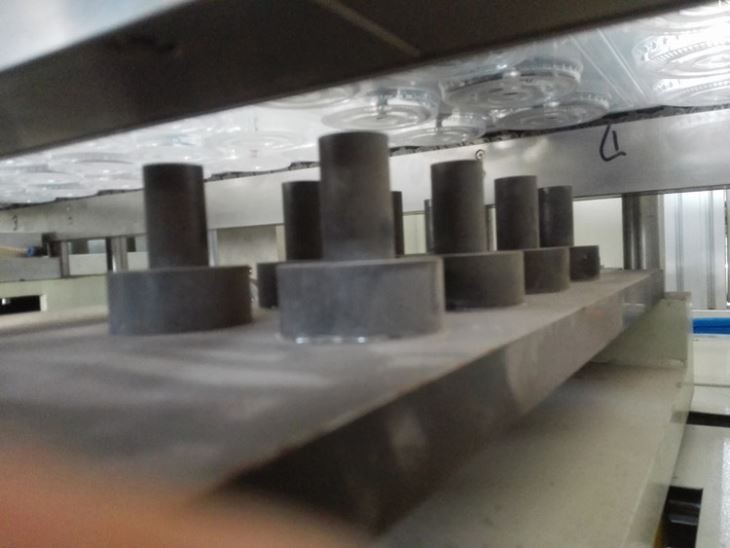

If you are looking for high - quality punching molds or have any questions about punching quality, please feel free to contact us for more information and to discuss your procurement needs. We are committed to providing you with the best solutions and excellent customer service.
References
- Dieter, G. E. (1988). Mechanical Metallurgy. McGraw - Hill.
- Kalpakjian, S., & Schmid, S. R. (2008). Manufacturing Engineering and Technology. Pearson Prentice Hall.
- Groover, M. P. (2010). Fundamentals of Modern Manufacturing: Materials, Processes, and Systems. Wiley.