

Cutting mold manufacturing is a highly specialized and complex process that plays a crucial role in various industries, from automotive to consumer goods. As a cutting mold supplier, I have witnessed firsthand the numerous challenges that come with this line of work. In this blog post, I will delve into the key challenges in cutting mold manufacturing and discuss how we tackle them to provide high - quality products to our customers.
1. Precision and Tolerance Requirements
One of the most significant challenges in cutting mold manufacturing is achieving the required precision and tolerance. Cutting molds are used to produce parts with specific shapes and dimensions, and even the slightest deviation can lead to defective products. For example, in the aerospace industry, parts need to be manufactured with extremely tight tolerances to ensure safety and performance.
To meet these high - precision requirements, we invest in state - of - the - art machining equipment, such as CNC (Computer Numerical Control) machines. These machines can perform complex operations with high accuracy, but they also require skilled operators. Training our staff to operate these machines effectively is a continuous process. We provide regular training sessions to keep our operators updated with the latest techniques and technologies.
Another aspect is the measurement and inspection of the cutting molds. We use advanced metrology tools like coordinate measuring machines (CMMs) to ensure that the molds meet the specified tolerances. These tools can measure the dimensions of the mold with high precision and provide detailed reports, allowing us to make any necessary adjustments.
2. Material Selection and Quality
The choice of material for cutting molds is critical. Different materials have different properties, such as hardness, toughness, and wear resistance. For example, high - speed steel is commonly used for cutting molds due to its high hardness and good wear resistance. However, the quality of the material can vary significantly from one supplier to another.
We face the challenge of sourcing high - quality materials at a reasonable cost. We have established long - term partnerships with reliable material suppliers. Before purchasing any material, we conduct strict quality inspections to ensure that it meets our standards. We also test the materials in our in - house laboratory to verify their mechanical properties.
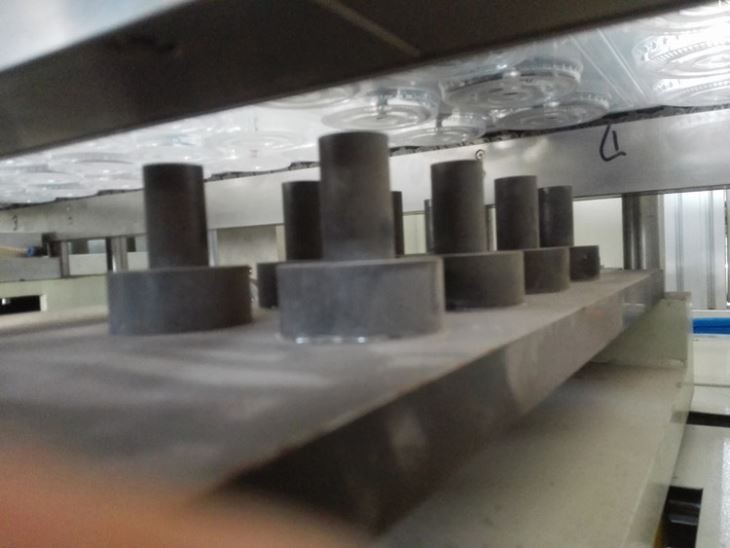

In addition, the heat treatment of the mold material is another crucial step. Improper heat treatment can lead to issues such as cracking, distortion, and reduced hardness. We have a team of experienced heat - treatment experts who follow strict procedures to ensure that the molds are heat - treated correctly.
3. Design Complexity
Modern cutting molds often have complex designs to meet the diverse needs of different industries. For example, in the electronics industry, cutting molds are used to produce small and intricate parts. These complex designs require advanced design software and skilled designers.
Our design team uses the latest CAD (Computer - Aided Design) and CAM (Computer - Aided Manufacturing) software to create detailed 3D models of the cutting molds. However, designing complex molds also means dealing with issues such as undercuts, draft angles, and parting lines. These factors can affect the manufacturability of the mold and the quality of the final product.
To overcome these challenges, our designers work closely with the manufacturing team. They conduct regular design reviews to identify potential problems early in the process. We also use simulation software to analyze the mold - filling process and predict any potential issues, such as air traps or uneven cooling.
4. Cost Management
Cost is always a significant concern in cutting mold manufacturing. The cost of materials, labor, and equipment can add up quickly. As a supplier, we need to find a balance between providing high - quality products and keeping the costs under control.
We optimize our manufacturing processes to reduce waste and increase efficiency. For example, we use nesting software to maximize the use of raw materials, which helps to reduce material waste. We also invest in automation to reduce labor costs. Automated machines can perform repetitive tasks more quickly and accurately than human operators.
In addition, we work closely with our customers to understand their requirements and budget. We provide them with cost - effective solutions without compromising on quality. For example, we may suggest alternative materials or manufacturing processes that can achieve the same results at a lower cost.
5. Lead Time
In today's fast - paced market, customers often require short lead times for cutting molds. Meeting these lead times while maintaining quality is a major challenge. Delays in mold production can cause production disruptions for our customers, which can lead to financial losses.
To address this issue, we have a well - organized production plan. We use project management tools to track the progress of each mold project. Our production team works in shifts to ensure that the manufacturing process runs continuously. We also maintain a stock of common raw materials to reduce the lead time for material procurement.
6. Competition in the Market
The cutting mold manufacturing industry is highly competitive. There are many suppliers in the market, and customers have a wide range of options to choose from. To stay competitive, we need to differentiate ourselves from our competitors.
We focus on providing high - quality products and excellent customer service. We invest in research and development to improve our manufacturing processes and develop new products. For example, we are constantly exploring new materials and manufacturing techniques to enhance the performance of our cutting molds.
We also build strong relationships with our customers. We listen to their feedback and work with them to solve any problems. By providing customized solutions and reliable after - sales service, we can build long - term partnerships with our customers.
7. Environmental Regulations
In recent years, environmental regulations have become more stringent. Cutting mold manufacturing involves the use of various chemicals and materials, which can have an impact on the environment. We need to comply with these regulations to avoid fines and damage to our reputation.
We have implemented an environmental management system to reduce our environmental impact. We use environmentally friendly materials and processes whenever possible. For example, we recycle waste materials and reduce the use of harmful chemicals. We also ensure that our manufacturing facilities meet all the environmental standards.
Contact for Purchase and Negotiation
If you are in the market for high - quality Cutting Mold, Punching Mold, or Forming Mold for Thermoforming Machine, we would be more than happy to discuss your requirements. Our team of experts is ready to provide you with customized solutions and competitive pricing. Please feel free to reach out to us for a detailed consultation and to start the procurement process.
References
- "Cutting Tool Engineering Handbook", Industrial Press Inc.
- "Mold Design and Manufacturing: A Practical Guide", CRC Press
- Journal of Manufacturing Science and Engineering, various issues on mold manufacturing research.


