

Hey there! I'm a supplier of Punching Mold, and today I wanna share some tips on how to store a punching mold properly. As someone who's been in the business for quite a while, I know how important it is to take good care of these molds. A well - stored punching mold can last longer, perform better, and save you a ton of money in the long run.
Why Proper Storage Matters
First off, let's talk about why proper storage is such a big deal. Punching molds are precision tools. They're made to exact specifications to create high - quality punched parts. If you don't store them correctly, they can get damaged. Rust, corrosion, and physical damage can all affect the mold's performance. And once a mold is damaged, it might not produce parts that meet the required standards. That means more rejects, more waste, and more money down the drain.
Pre - storage Preparation
Before you even think about storing your punching mold, you need to do some prep work. Start by cleaning the mold thoroughly. Use a suitable cleaning agent to remove any dirt, debris, or metal shavings that might be stuck to the mold. Pay special attention to the cutting edges and cavities. These areas are crucial for the mold's performance, and any buildup can cause problems.
After cleaning, dry the mold completely. Moisture is the enemy of metal, and it can lead to rust. You can use a clean, dry cloth to wipe the mold down, or you can let it air - dry in a well - ventilated area.
Once the mold is dry, it's a good idea to apply a protective coating. There are many types of protective coatings available on the market, such as anti - rust sprays or lubricants. These coatings create a barrier between the metal of the mold and the air, preventing oxidation and rust. Make sure to apply the coating evenly, covering all surfaces of the mold.
Choosing the Right Storage Location
The storage location plays a huge role in the longevity of your punching mold. You want to find a place that's clean, dry, and temperature - controlled. Avoid areas that are prone to flooding, high humidity, or extreme temperature changes.
A storage room with a dehumidifier is ideal. The dehumidifier helps keep the humidity level low, reducing the risk of rust. The temperature should be kept relatively stable, preferably between 18°C and 22°C (64°F and 72°F).
Also, make sure the storage area is well - organized. You don't want the molds to be stacked haphazardly, as this can cause physical damage. Use racks or shelves to store the molds, and label each one clearly. This makes it easier to find the mold you need when you're ready to use it.
Storage Methods
There are a few different ways to store punching molds, depending on their size and shape.
Horizontal Storage
For smaller punching molds, horizontal storage on a rack or shelf is a good option. Make sure the surface is flat and clean. You can place a soft material, like a rubber mat or a piece of felt, between the mold and the shelf to prevent scratches.
If you're storing multiple molds horizontally, make sure to leave enough space between them. This prevents them from knocking into each other and getting damaged.
Vertical Storage
Larger punching molds are often better stored vertically. You can use a special vertical storage rack designed for molds. These racks have supports that hold the mold in place and prevent it from tipping over.
When storing a mold vertically, make sure it's properly balanced. You might need to use some additional supports or bracing to keep it stable.
Wrapping and Sealing
Another option is to wrap the punching mold in a protective material, such as a plastic sheet or a rust - preventive paper. This provides an extra layer of protection against dust, moisture, and physical damage. You can then seal the wrapped mold in a plastic bag or a storage container.
Regular Inspections
Storing the mold is not a one - time thing. You need to conduct regular inspections to make sure the mold is still in good condition. Check for signs of rust, corrosion, or physical damage. If you notice any problems, address them immediately.

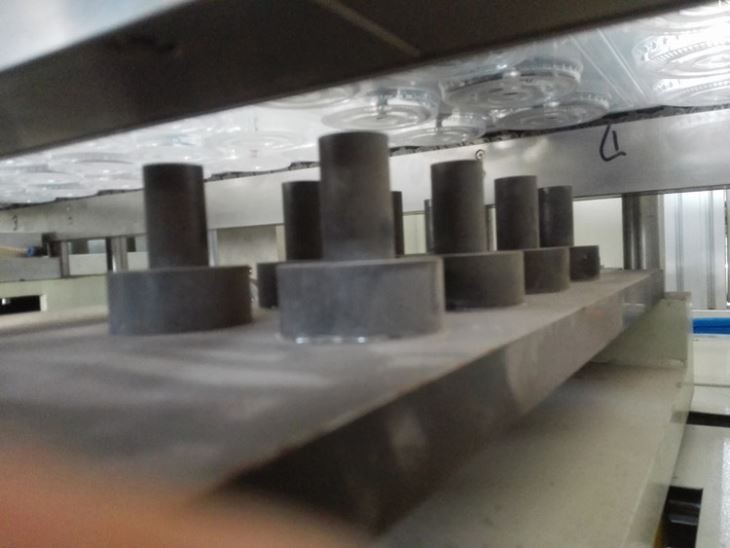
Inspections should be done at least once every few months. During the inspection, you can also clean and re - apply the protective coating if necessary.
Special Considerations for Different Types of Molds
We also supply other types of molds, like Cutting Mold and Forming Mold for Thermoforming Machine. While the general principles of storage apply to these molds as well, there are some special considerations.
Cutting molds have very sharp cutting edges. When storing them, you need to be extra careful not to damage these edges. You can use edge protectors or special storage cases to keep the cutting edges safe.
Forming molds for thermoforming machines are often more complex in design. They might have moving parts or delicate components. When storing these molds, make sure to follow the manufacturer's instructions. You might need to lubricate the moving parts or store them in a specific position to prevent damage.
Conclusion
Proper storage of punching molds is essential for their performance and longevity. By following the steps I've outlined above, you can ensure that your molds stay in good condition for a long time. Remember, a well - stored mold means better quality parts, less waste, and more savings for your business.
If you're in the market for high - quality punching molds or have any questions about mold storage, I'd love to hear from you. Whether you're a small - scale workshop or a large manufacturing plant, I can provide you with the right solutions. Let's start a conversation and see how I can help you with your mold needs.
References
- Metalworking Handbook: A comprehensive guide to metalworking processes, including mold storage and maintenance.
- Industrial Mold Manufacturer's Manual: Provides in - depth information on the proper care and storage of various types of industrial molds.


