

Ensuring the proper alignment of mold spare parts is a critical aspect of maintaining the efficiency and quality of mold operations. As a trusted supplier of Mold Spare Parts, I understand the significance of this process and have witnessed firsthand the impact it can have on the overall performance of molds. In this blog, I will share some key strategies and best practices to ensure the proper alignment of mold spare parts.

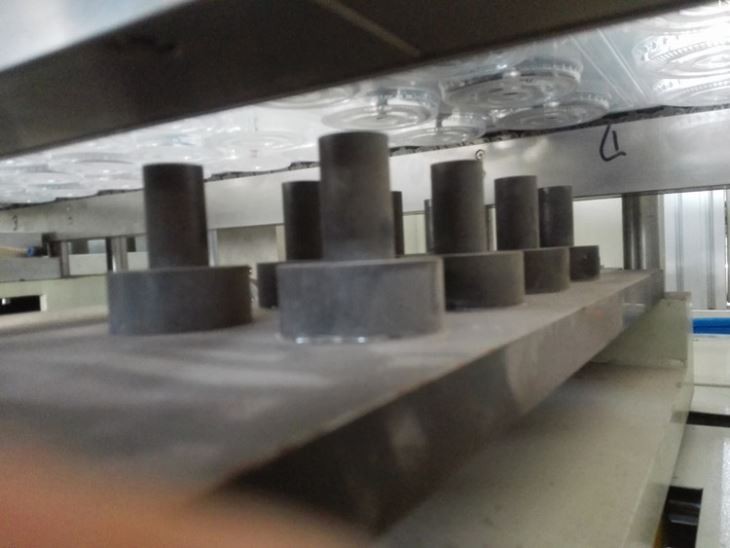
Understanding the Importance of Alignment
Before delving into the methods of ensuring alignment, it's essential to understand why proper alignment matters. Misaligned mold spare parts can lead to a variety of issues, including uneven wear, poor part quality, and increased downtime. For instance, in a Punching Mold, misaligned punches can cause inconsistent hole sizes and burrs on the punched parts. In a Cutting Mold, misaligned blades can result in inaccurate cuts and reduced tool life. And in a Forming Mold for Thermoforming Machine, misaligned components can lead to improper shaping of the thermoformed products.
Precise Measurement and Inspection
The first step in ensuring proper alignment is accurate measurement and inspection. Before installing any mold spare parts, it's crucial to measure them precisely to ensure they meet the required specifications. This can be done using a variety of tools, such as calipers, micrometers, and coordinate measuring machines (CMMs). These tools allow for highly accurate measurements, ensuring that the parts fit together correctly.
Inspection is also an important part of the process. Visual inspection can help identify any obvious defects or damage that could affect alignment. Additionally, more advanced inspection techniques, such as non - destructive testing (NDT), can be used to detect internal flaws that may not be visible to the naked eye. For example, ultrasonic testing can be used to check for cracks in mold components, which could lead to misalignment over time.
Proper Installation Procedures
Once the parts have been measured and inspected, proper installation procedures must be followed. This includes ensuring that the installation surface is clean and free of debris. Any dirt, oil, or other contaminants can prevent the parts from sitting flush against each other, leading to misalignment.
It's also important to use the correct mounting hardware and torque specifications. Over - tightening or under - tightening bolts and screws can cause the parts to shift out of alignment. Following the manufacturer's recommended torque values ensures that the parts are held securely in place without causing any distortion.
Alignment Jigs and Fixtures
Alignment jigs and fixtures are invaluable tools for ensuring proper alignment during installation. These devices are designed to hold the mold spare parts in the correct position while they are being installed. They can be custom - made for specific molds or purchased as off - the - shelf solutions.
For example, in a complex multi - cavity mold, an alignment jig can be used to ensure that each cavity is precisely aligned with the others. This helps to maintain consistent part quality across all cavities. Similarly, in a mold with multiple moving parts, a fixture can be used to hold the parts in the correct position during assembly, preventing misalignment.
Regular Maintenance and Calibration
Proper alignment is not a one - time task; it requires regular maintenance and calibration. Over time, mold spare parts can wear, shift, or become damaged, leading to misalignment. Regular maintenance checks should be performed to identify and correct any alignment issues before they cause significant problems.
Calibration of the mold and its components is also essential. This involves comparing the actual position and performance of the parts against the desired specifications. If any deviations are detected, adjustments can be made to restore proper alignment. For example, if a mold's guide pins are found to be slightly off - center, they can be realigned or replaced to ensure smooth operation.
Employee Training
Finally, employee training is crucial for ensuring proper alignment. All personnel involved in the installation, operation, and maintenance of the molds should be trained on the importance of alignment and the proper procedures for achieving it. This includes training on the use of measurement tools, installation techniques, and maintenance procedures.
Well - trained employees are more likely to notice and address alignment issues promptly. They can also make informed decisions about when to replace worn or damaged parts to prevent misalignment.
Conclusion
Ensuring the proper alignment of mold spare parts is a multi - faceted process that requires attention to detail at every step. From precise measurement and inspection to proper installation, the use of alignment jigs, regular maintenance, and employee training, each aspect plays a vital role in maintaining the alignment of mold components.
As a Mold Spare Parts supplier, I am committed to providing high - quality parts and offering support to our customers in ensuring proper alignment. If you are facing any challenges with mold spare part alignment or are looking for reliable parts for your molds, I encourage you to reach out to us. We have a team of experts who can provide you with the guidance and solutions you need to optimize the performance of your molds. Contact us today to start the procurement and consultation process.
References
- Smith, J. (2018). Fundamentals of Mold Design and Manufacturing. Publisher: ABC Publishing.
- Johnson, R. (2020). Advanced Mold Maintenance Techniques. Publisher: XYZ Press.
- Brown, A. (2019). Precision Measurement in Mold Making. Publisher: DEF Books.


