

Ensuring the hygiene of plastic cups produced by a plastic cup making machine is of utmost importance, especially considering the direct contact these cups have with consumable items. As a dedicated supplier of plastic cup making machines, I understand the significant role that proper hygiene plays in the production process. In this blog, I will share several key strategies to ensure the high - level hygiene of plastic cups produced by our machines.
Raw Material Selection
The quality of raw materials is the foundation of producing hygienic plastic cups. Opting for high - grade food - grade plastics is non - negotiable. Food - grade plastics are formulated to meet strict safety standards and are free from harmful substances such as heavy metals, phthalates, and BPA. These substances can leach into the beverages or food stored in the plastic cups, posing potential health risks to consumers.
As a supplier, we often recommend our clients use polymers like polyethylene terephthalate (PET), high - density polyethylene (HDPE), and polypropylene (PP). These plastics are known for their excellent chemical stability, low toxicity, and high resistance to heat and moisture. By using these raw materials, the risk of contamination is greatly reduced from the very beginning of the production cycle. Additionally, we encourage our customers to source raw materials from trusted suppliers with comprehensive quality control systems in place. These suppliers can provide certificates of compliance, ensuring that the materials meet the required hygiene and safety standards.
Machine Design and Maintenance
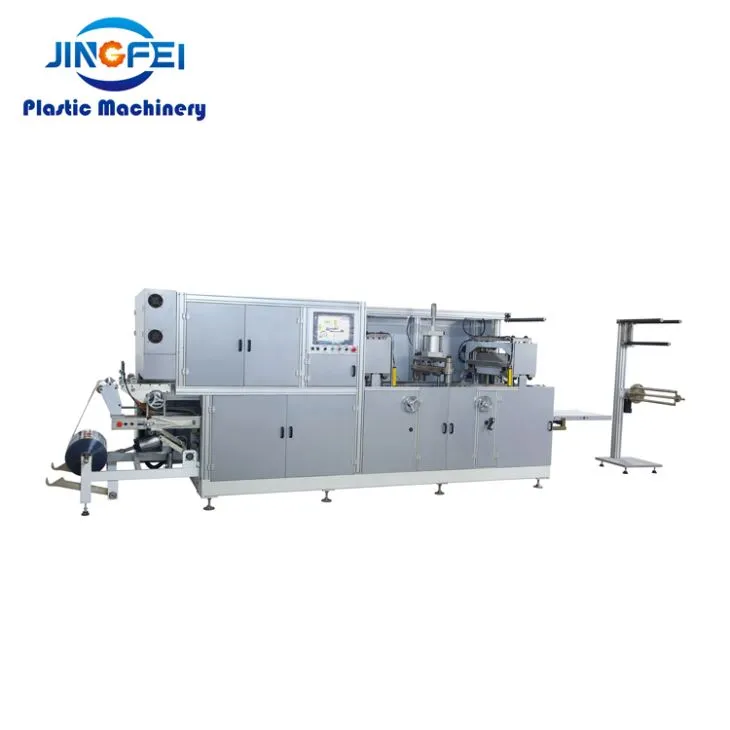
The design of the plastic cup making machine itself has a significant impact on hygiene. Our machines, such as the Automatic Three Station Thermoforming Machine and Automatic Cup Making Machine within Stacking Robot, are engineered with hygiene in mind. They feature smooth surfaces and minimal crevices where dirt and bacteria can accumulate. The internal components are made from materials that are easy to clean and resistant to corrosion.
Regular maintenance is also crucial to keep the machine in a hygienic state. All moving parts should be inspected and lubricated on a scheduled basis to prevent the build - up of debris and contaminants. Filters within the machine, which are used to purify air and water, need to be replaced regularly to ensure efficient operation and prevent the circulation of dirty air or water, which could otherwise contaminate the cups.
Moreover, the machine should be thoroughly cleaned after each production run. Using appropriate cleaning agents that are approved for use in food - contact equipment, operators can remove any residual plastics, dust, or other contaminants from the machine's surface and internal components. Sanitization procedures should also be carried out periodically to further eliminate bacteria and other microorganisms.

Production Environment
The environment in which the plastic cups are produced is another critical factor affecting their hygiene. The production facility should be kept clean and well - ventilated. A cleanroom environment or at least a controlled environment with low levels of dust and contaminants is highly recommended. Controlled temperature and humidity levels can also prevent the growth of mold and bacteria.
Employees working in the production area should wear appropriate personal protective equipment (PPE), including hairnets, gloves, and lab coats, to prevent the transfer of human hair, skin cells, and other potential contaminants to the plastic cups. Regular training on hygiene practices should be provided to all employees to ensure they understand the importance of maintaining a clean production environment.
Quality Control During Production
Implementing a robust quality control system is essential to ensure the hygiene of plastic cups. During the production process, in - line inspections should be carried out at multiple stages. For example, the cups can be inspected for visible defects such as cracks, scratches, or foreign objects. This can be done manually or with the help of automated inspection systems that use cameras and sensors to detect any irregularities.
Microbiological testing should also be conducted regularly. Samples of the produced plastic cups can be sent to a laboratory for testing to check for the presence of harmful bacteria, yeasts, and molds. By setting strict microbiological limits, any non - compliant batches can be identified and removed from the production line immediately.
Packaging and Storage
Once the plastic cups are produced, proper packaging is crucial to maintain their hygiene until they reach the end - users. Using clean, sealed packaging materials can prevent the entry of dust, moisture, and contaminants. The packaging materials should also be made from food - grade materials to ensure compatibility with the plastic cups.
In terms of storage, the plastic cups should be stored in a clean, dry, and well - ventilated warehouse. The storage area should be protected from pests and rodents, which can carry diseases and contaminate the products. Regular inventory checks should be conducted to ensure that the cups are stored in the correct conditions and that there are no signs of damage or contamination.
The Role of Training
Training plays a vital role in ensuring the hygiene of plastic cup production. As a supplier, we offer comprehensive training programs for our customers who purchase our Automatic Cup Making Machine within Stacking Robot and other related machines. These training programs cover aspects such as machine operation, maintenance, cleaning, and quality control.
By educating operators on the best practices for maintaining hygiene, we can ensure that every step of the production process is carried out with the highest standards. Operators will learn how to handle raw materials properly, clean the machine effectively, and conduct batch inspections to identify and address any potential hygiene issues promptly.
Conclusion
Ensuring the hygiene of plastic cups produced by a plastic cup making machine requires a comprehensive approach that encompasses raw material selection, machine design and maintenance, production environment control, quality control during production, packaging, storage, and employee training. As a supplier of plastic cup making machines, we are committed to providing our customers with high - quality machines and the necessary support to help them achieve the highest level of hygiene in their production processes.
If you are interested in our plastic cup making machines, such as the Automatic Three Station Thermoforming Machine, Automatic Cup Making Machine within Stacking Robot, and Small Lid and Trays Making Machine, please feel free to contact us for further discussions and procurement. We will be happy to assist you in setting up a hygienic and efficient plastic cup production line.
References
- "Food - Grade Plastics: A Comprehensive Guide", Plastic Industry Association.
- "Hygiene Standards in the Plastic Packaging Production", International Journal of Food Packaging Science and Technology.
- "Quality Control in Plastic Cup Manufacturing", Manufacturing Engineering Review.


