

Hey there! As a supplier of Mold Spare Parts, I've seen firsthand how crucial it is to ensure the cleanliness of these parts during installation. A clean installation not only extends the lifespan of the mold but also improves the quality of the final product. In this blog, I'll share some tips on how to achieve that.
Pre - installation Cleanliness Checks
Before you even start the installation process, it's essential to give the mold spare parts a thorough inspection. I always tell my customers that a quick check can save a lot of headaches later on.
Visual Inspection
First off, take a good look at the parts. Look for any obvious signs of dirt, debris, or corrosion. Even a small piece of dust can cause problems during the molding process. For example, if you're dealing with a Punching Mold, a tiny particle of dirt can lead to uneven punching, affecting the quality of the punched parts.
Cleaning the Storage Area
Where the parts are stored also matters. Make sure the storage area is clean and dry. A dirty storage area can contaminate the parts over time. I've seen cases where parts were stored in a dusty corner, and by the time they were ready for installation, they were covered in grime. Keep the storage shelves clean and use covers to protect the parts from dust.
Cleaning the Mold Spare Parts
Once you've inspected the parts and found them to be dirty, it's time to clean them. There are several methods you can use, depending on the type of dirt and the material of the parts.
Solvent Cleaning
Solvent cleaning is a popular method for removing grease, oil, and other stubborn contaminants. You can use a mild solvent that is compatible with the material of the mold spare parts. For example, if you're cleaning parts made of steel, a solvent like mineral spirits can work well. But be careful not to use a solvent that is too harsh, as it can damage the surface of the parts.
Ultrasonic Cleaning
Ultrasonic cleaning is another effective method. It uses high - frequency sound waves to create tiny bubbles in a cleaning solution. These bubbles collapse near the surface of the parts, removing dirt and debris. This method is great for cleaning hard - to - reach areas, like the small holes in a Forming Mold for Thermoforming Machine.
Brushing
For parts with light dirt, brushing can be a simple and effective method. You can use a soft - bristled brush to gently scrub the surface of the parts. Make sure to use a brush that won't scratch the parts. For example, a nylon brush is a good choice for most mold spare parts.
Handling the Cleaned Parts
After cleaning the parts, it's important to handle them properly to avoid re - contamination.
Wear Gloves
Always wear clean gloves when handling the cleaned parts. Your hands can transfer oils, dirt, and sweat to the parts, so gloves are a must. I recommend using disposable gloves to ensure maximum cleanliness.
Use Clean Tools
Use clean tools during the installation process. Tools that are dirty can introduce contaminants to the parts. Before using any tools, wipe them down with a clean cloth and a mild cleaning solution.
Installation Environment
The environment where you install the mold spare parts also plays a significant role in ensuring their cleanliness.
Clean the Installation Area
Just like the storage area, the installation area should be clean. Sweep the floor, wipe down the workbench, and remove any debris. A clean installation area reduces the risk of dirt and dust getting on the parts during installation.
Control the Air Quality
If possible, control the air quality in the installation area. You can use air filters to remove dust particles from the air. This is especially important if you're installing parts for a high - precision mold, like a Cutting Mold.
Post - installation Checks
After installing the mold spare parts, it's a good idea to do a final check to make sure everything is clean and in place.
Visual Inspection Again
Take another look at the installed parts. Make sure there are no signs of dirt or debris that may have been introduced during the installation process. Check for any loose particles that could fall into the mold cavity during operation.
Function Test
Perform a function test of the mold. This can help you identify any issues that may be related to the cleanliness of the parts. If the mold doesn't function properly, it could be due to a dirty part or a problem with the installation.
Importance of Cleanliness in Installation
Ensuring the cleanliness of mold spare parts during installation is not just about aesthetics. It has a direct impact on the performance and lifespan of the mold.

Improved Product Quality
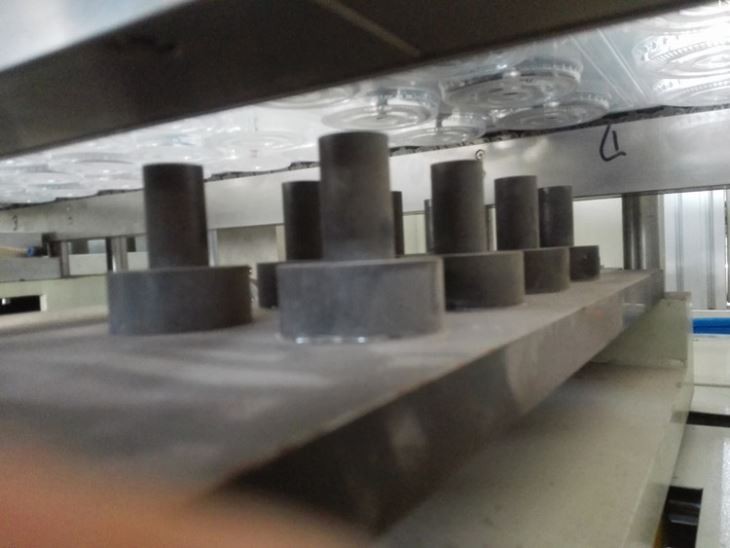
A clean mold produces better - quality products. When the mold spare parts are clean, there are fewer chances of defects in the final product. For example, a clean punching mold will produce parts with clean edges and accurate dimensions.
Longer Lifespan
Clean parts are less likely to wear out quickly. Dirt and debris can cause abrasion and corrosion, which can shorten the lifespan of the mold. By keeping the parts clean during installation, you can extend the life of the mold and save money in the long run.
Contact for Purchasing
If you're in the market for high - quality mold spare parts, I'm here to help. Whether you need a Punching Mold, a Forming Mold for Thermoforming Machine, or a Cutting Mold, I've got you covered. Feel free to reach out to discuss your requirements and get a quote. We can work together to ensure you get the best parts for your needs.
References
- "Mold Maintenance and Repair Handbook"
- "Industrial Cleaning Technology"
- "Best Practices for Mold Installation"


