

Hey there! I'm a supplier of Mold Spare Parts, and I know how crucial it is to keep these parts clean. Mold spare parts are the unsung heroes of many manufacturing processes. They play a vital role in shaping products, but over time, they can get dirty and develop mold, which can affect their performance and the quality of the products they help create. In this blog, I'm gonna share some tips on how to clean mold spare parts effectively.
Why Cleaning Mold Spare Parts is Important
First off, let's talk about why cleaning these parts is so important. Mold spare parts like the Forming Mold for Thermoforming Machine, Cutting Mold, and Punching Mold are used in various industrial processes. When they're dirty or have mold on them, it can lead to several problems.
For starters, dirty parts can cause uneven forming or cutting. This means the products you're making might not meet the required specifications, which can result in a lot of waste and a hit to your bottom line. Also, mold on the parts can contaminate the materials being processed. If you're working with food or medical products, this can be a huge no - no as it can pose health risks.
Pre - cleaning Inspection
Before you start cleaning, it's a good idea to do a thorough inspection of the mold spare parts. Check for any visible signs of damage, like cracks or chips. If there are any, you might need to repair or replace the parts instead of just cleaning them. Also, note the type and location of the dirt and mold. Some areas might be more stubbornly dirty than others, and this will help you decide which cleaning methods to use.
Choosing the Right Cleaning Agents
The type of cleaning agent you choose depends on the material of the mold spare parts and the type of dirt and mold. For general cleaning, a mild detergent mixed with water can work wonders. It's gentle enough not to damage most materials but strong enough to remove light dirt and grime.
If you're dealing with more stubborn mold, you might need a specialized mold cleaner. These cleaners are designed to break down the mold and remove it effectively. However, make sure to follow the manufacturer's instructions when using them. Some cleaners can be harsh and might damage certain materials, so test them on a small, inconspicuous area first.
Manual Cleaning
One of the most common ways to clean mold spare parts is manually. You'll need a few basic tools like soft - bristle brushes, microfiber cloths, and sponges.
Start by soaking the parts in a solution of the cleaning agent and water. Let them soak for a while to loosen up the dirt and mold. Then, use the soft - bristle brush to gently scrub the parts. Be careful not to scratch the surface, especially if it's a precision part. Pay extra attention to the hard - to - reach areas, like crevices and corners.
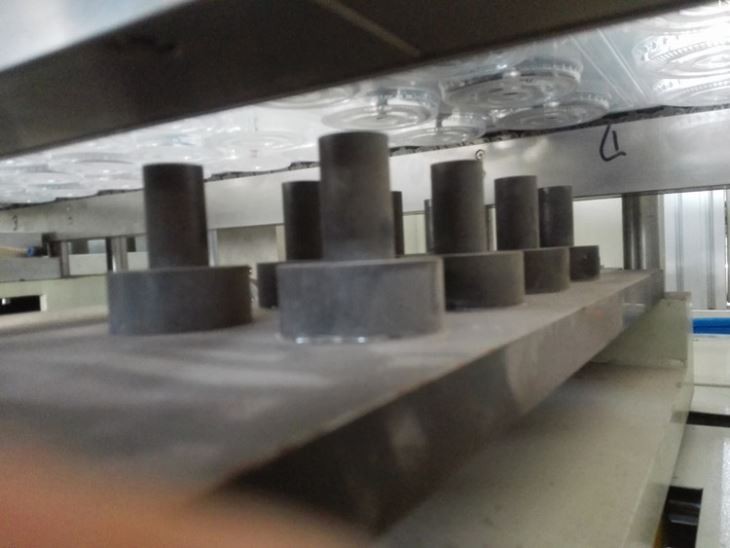

After scrubbing, rinse the parts thoroughly with clean water. Use a microfiber cloth to dry them off. Make sure there's no moisture left on the parts, as this can lead to more mold growth.
Ultrasonic Cleaning
Ultrasonic cleaning is a more advanced method that can be very effective for cleaning mold spare parts. It works by using high - frequency sound waves to create tiny bubbles in a cleaning solution. These bubbles collapse and create a powerful scrubbing action that can remove dirt and mold from even the smallest crevices.
To use an ultrasonic cleaner, fill the tank with the appropriate cleaning solution and place the mold spare parts inside. Set the cleaner to the right frequency and time according to the manufacturer's instructions. After the cleaning cycle is complete, remove the parts and rinse them thoroughly.
Cleaning Specific Types of Mold Spare Parts
Forming Mold for Thermoforming Machine
The Forming Mold for Thermoforming Machine is often made of metal or plastic. For metal molds, a rust - inhibiting cleaning agent can be used to prevent corrosion while removing dirt and mold. After cleaning, apply a thin layer of lubricant to keep the mold in good working condition.
For plastic molds, be more cautious with the cleaning agents. Avoid using anything too abrasive that could scratch the surface. A mild soap solution and a soft cloth are usually sufficient for regular cleaning.
Cutting Mold
The Cutting Mold needs to have a sharp cutting edge. When cleaning, make sure not to damage this edge. Use a fine - tipped brush to clean around the cutting area. If there's any residue on the blade, you can use a solvent recommended by the manufacturer to dissolve it.
Punching Mold
The Punching Mold also requires special attention. Check the punching pins for any blockages or debris. You can use compressed air to blow out any small particles. For the main body of the mold, follow the general cleaning procedures mentioned above.
Preventive Measures
Cleaning is important, but preventing mold growth in the first place is even better. Here are some preventive measures you can take:
- Store parts properly: Keep the mold spare parts in a dry, clean environment. Use storage containers or cabinets to protect them from dust and moisture.
- Regular maintenance: Implement a regular maintenance schedule. This includes cleaning, lubricating, and inspecting the parts on a routine basis.
- Control the environment: If possible, control the humidity and temperature in the area where the parts are used and stored. High humidity can promote mold growth, so using a dehumidifier can be helpful.
Conclusion
Cleaning mold spare parts is an essential part of maintaining their performance and ensuring the quality of the products they help create. Whether you're using manual cleaning methods or more advanced techniques like ultrasonic cleaning, it's important to choose the right approach based on the type of part and the level of dirt and mold.
If you're in the market for high - quality mold spare parts or need more advice on cleaning and maintenance, feel free to reach out. We're here to help you keep your operations running smoothly.
References
- Industrial Mold Cleaning Guidebooks
- Manufacturer's Instructions for Mold Spare Parts
- Research Papers on Mold Prevention in Industrial Settings


