

When embarking on a project that requires cutting operations, selecting the right cutting mold is crucial for achieving optimal results. As a cutting mold supplier, I understand the challenges that project managers and engineers face in making this decision. In this blog post, I will share some insights and guidelines to help you choose the right cutting mold for your project.

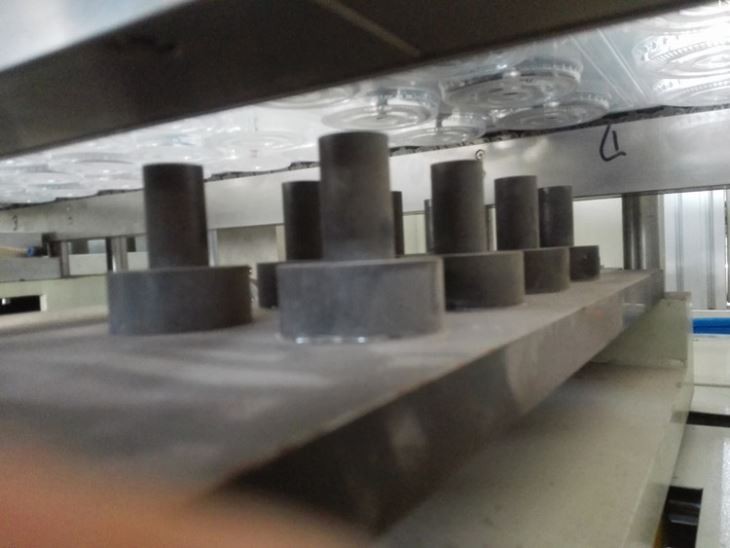
Understanding the Project Requirements
The first step in choosing the right cutting mold is to have a clear understanding of the project requirements. This includes the material to be cut, the desired cutting precision, the production volume, and the budget.
Material to be Cut
Different materials require different types of cutting molds. For example, cutting metal sheets will require a more robust and durable mold compared to cutting paper or fabric. The hardness, thickness, and composition of the material will also influence the choice of mold. For instance, when cutting hard metals like stainless steel, a Punching Mold with high - strength tool steel may be necessary. On the other hand, for softer materials such as plastics or rubber, a Cutting Mold with a sharper edge and less aggressive cutting mechanism might be more suitable.
Cutting Precision
The level of cutting precision required for the project is another important factor. If your project demands high - precision cuts, such as in the production of electronic components or medical devices, you will need a cutting mold with tight tolerances and high - quality manufacturing. Precision molds are often made using advanced machining techniques and high - grade materials to ensure accurate and consistent cuts. In contrast, for projects where a lower level of precision is acceptable, such as in the production of general packaging materials, a more cost - effective and less precise mold may be sufficient.
Production Volume
The production volume of your project will also impact the choice of cutting mold. For low - volume production runs, a simple and relatively inexpensive cutting mold may be adequate. These molds can be quickly fabricated and modified if needed. However, for high - volume production, a more durable and efficient mold is required. High - volume molds are designed to withstand the rigors of continuous use and are often equipped with features such as quick - change components to minimize downtime for maintenance and repair. For example, in the automotive industry, where large quantities of parts are produced, specialized Forming Mold for Thermoforming Machine are used to ensure consistent and efficient production.
Budget
Budget is always a consideration in any project. You need to balance the cost of the cutting mold with the quality and performance requirements of your project. While it may be tempting to choose the cheapest option, it is important to remember that a low - cost mold may not always provide the best long - term value. A high - quality mold may have a higher upfront cost but can result in lower production costs in the long run due to its durability, efficiency, and ability to produce high - quality parts.
Types of Cutting Molds
There are several types of cutting molds available, each with its own advantages and disadvantages. Understanding the different types can help you make an informed decision.
Die - Cutting Molds
Die - cutting molds are one of the most common types of cutting molds. They are used to cut various materials, including paper, cardboard, plastic, and rubber. Die - cutting molds consist of a sharp cutting edge that is pressed into the material to cut it into the desired shape. These molds can be simple or complex, depending on the shape and design of the cut. Die - cutting molds are suitable for both low - and high - volume production and can be easily customized to meet specific project requirements.
Laser - Cutting Molds
Laser - cutting molds use a high - powered laser beam to cut through the material. Laser cutting offers several advantages, including high precision, the ability to cut complex shapes, and minimal material waste. Laser - cutting molds are often used in industries such as aerospace, electronics, and jewelry manufacturing, where high - quality cuts are required. However, laser - cutting equipment can be expensive, and the operating costs can be relatively high, making it more suitable for projects with a higher budget.
Waterjet - Cutting Molds
Waterjet - cutting molds use a high - pressure stream of water mixed with abrasive particles to cut through the material. Waterjet cutting is a versatile cutting method that can be used on a wide range of materials, including metals, plastics, and composites. Waterjet - cutting molds offer several advantages, such as the ability to cut thick materials, minimal heat - affected zone, and the ability to cut complex shapes. However, like laser cutting, waterjet - cutting equipment can be expensive, and the operating costs can be relatively high.
Evaluating the Mold Supplier
Once you have a clear understanding of your project requirements and the types of cutting molds available, the next step is to evaluate the mold supplier. Choosing the right supplier is crucial for ensuring the quality and performance of your cutting mold.
Experience and Expertise
Look for a cutting mold supplier with extensive experience and expertise in the industry. An experienced supplier will have a deep understanding of the different types of cutting molds and will be able to recommend the best solution for your project. They will also have a proven track record of delivering high - quality molds on time and within budget. You can ask the supplier for references and examples of their previous work to assess their experience and expertise.
Manufacturing Capabilities
The manufacturing capabilities of the supplier are also important. Make sure the supplier has the necessary equipment and facilities to produce the cutting mold you need. This includes advanced machining equipment, such as CNC machines, as well as quality control systems to ensure the mold meets your specifications. A supplier with in - house manufacturing capabilities can also offer more flexibility in terms of design changes and quick turnaround times.
Customer Service
Good customer service is essential when working with a cutting mold supplier. A reliable supplier will be responsive to your inquiries, provide timely updates on the progress of your order, and offer support after the mold is delivered. They should also be willing to work with you to resolve any issues or concerns that may arise during the project.
Cost - Benefit Analysis
Before making a final decision, it is important to conduct a cost - benefit analysis of the different cutting mold options. Consider the upfront cost of the mold, as well as the long - term costs associated with maintenance, repair, and replacement. Compare the performance and features of each mold option to determine which one offers the best value for your project.
In addition to the direct costs, also consider the indirect benefits of choosing a particular cutting mold. For example, a high - quality mold may result in fewer defective parts, lower production costs due to increased efficiency, and improved customer satisfaction. These indirect benefits can have a significant impact on the overall success of your project.
Conclusion
Choosing the right cutting mold for your project is a complex decision that requires careful consideration of several factors. By understanding your project requirements, evaluating the different types of cutting molds available, and choosing a reliable supplier, you can ensure that you select a mold that meets your needs and provides the best value for your investment.
If you are currently working on a project that requires a cutting mold, I encourage you to contact us for a detailed consultation. Our team of experts will be happy to discuss your project requirements and recommend the best cutting mold solution for you. We have a wide range of cutting molds available and can customize them to meet your specific needs. Let us help you take your project to the next level with our high - quality cutting molds.
References
- Groover, M. P. (2010). Fundamentals of Modern Manufacturing: Materials, Processes, and Systems. Wiley.
- Kalpakjian, S., & Schmid, S. R. (2014). Manufacturing Engineering and Technology. Pearson.
- Dieter, G. E. (2000). Engineering Design: A Materials and Processing Approach. McGraw - Hill.


