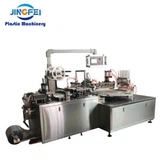
When it comes to the operation of industrial machinery, one of the most pressing concerns for manufacturers and operators is energy consumption. This is particularly true for equipment like the Plastic Granule Lift Machine, which plays a crucial role in the plastic processing industry. As a supplier of Plastic Granule Lift Machines, I often get asked about how much power these machines consume. In this blog post, I'll delve into the factors that influence the power consumption of a Plastic Granule Lift Machine and provide some insights that can help you manage your energy costs effectively.
Understanding the Basics of a Plastic Granule Lift Machine
Before we discuss power consumption, let's briefly understand what a Plastic Granule Lift Machine does. These machines are designed to transport plastic granules from one location to another within a manufacturing facility. They are essential for ensuring a smooth and efficient production process, as they can move large quantities of plastic granules quickly and safely.
The Plastic Granule Lift Machine typically consists of a conveyor system, a hopper, and a motor. The motor powers the conveyor, which moves the plastic granules up or down as required. The hopper is used to store the plastic granules before they are transported.
Factors Affecting Power Consumption
Several factors can influence the power consumption of a Plastic Granule Lift Machine. Here are some of the most significant ones:
Machine Size and Capacity
Larger machines with higher capacities generally consume more power than smaller ones. This is because they need more energy to move a greater volume of plastic granules. When choosing a Plastic Granule Lift Machine, it's important to consider your production requirements carefully. Selecting a machine that is too large for your needs can result in unnecessary energy consumption, while a machine that is too small may not be able to keep up with your production demands.
Conveyor Speed
The speed at which the conveyor operates also affects power consumption. Faster conveyor speeds require more energy to maintain. However, increasing the conveyor speed can also increase the throughput of the machine, which may be necessary to meet production targets. Finding the right balance between speed and power consumption is crucial.
Load Weight
The weight of the plastic granules being transported is another important factor. A heavier load requires more energy to lift and move. Therefore, if you are transporting large quantities of plastic granules or granules with a high density, the machine will consume more power.
Motor Efficiency
The efficiency of the motor used in the Plastic Granule Lift Machine plays a significant role in power consumption. A more efficient motor will convert a higher percentage of the electrical energy it consumes into mechanical energy, resulting in lower power consumption. When purchasing a machine, look for models that are equipped with high - efficiency motors.
Operating Conditions
The operating conditions of the machine can also impact power consumption. For example, if the machine is operating in a hot or humid environment, the motor may have to work harder, leading to increased power consumption. Additionally, if the conveyor is not properly lubricated or if there are mechanical issues, the machine may consume more energy.
Calculating Power Consumption
Calculating the power consumption of a Plastic Granule Lift Machine can be a complex task, as it depends on multiple factors. However, a basic formula can be used to estimate the power consumption:
Power (P) = Voltage (V) x Current (I)
The voltage is the electrical potential difference supplied to the machine, and the current is the flow of electric charge. Most Plastic Granule Lift Machines operate on standard industrial voltages, such as 220V or 380V. The current can be measured using an ammeter.
To get a more accurate estimate, you may also need to consider the power factor. The power factor is a measure of how effectively the machine uses the electrical power supplied to it. It is usually expressed as a decimal between 0 and 1. A higher power factor indicates more efficient use of power.
In addition to the above formula, some manufacturers provide power consumption data for their machines based on different operating conditions. This information can be a valuable resource when comparing different models.
Strategies to Reduce Power Consumption
As a supplier, I understand the importance of helping our customers reduce their energy costs. Here are some strategies that can be implemented to reduce the power consumption of a Plastic Granule Lift Machine:
Optimize Machine Settings
Adjust the conveyor speed and other settings based on your production requirements. Running the machine at a lower speed when possible can significantly reduce power consumption without sacrificing too much throughput.


Regular Maintenance
Regular maintenance is essential to ensure the machine operates efficiently. This includes lubricating the conveyor, checking for loose belts or chains, and inspecting the motor for any signs of wear or damage. A well - maintained machine will consume less power and have a longer lifespan.
Upgrade to Energy - Efficient Components
Consider upgrading to energy - efficient motors and other components. These may have a higher upfront cost, but they can result in significant energy savings over the long term.
Use Energy Management Systems
Some modern Plastic Granule Lift Machines are equipped with energy management systems. These systems can automatically adjust the machine's settings based on the load and other factors to optimize power consumption.
Comparison with Other Auxiliary Machines
When evaluating the power consumption of a Plastic Granule Lift Machine, it can be helpful to compare it with other auxiliary machines in the plastic processing industry. For example, the Hydraulic Type Cutting Machine and the Oil Free Air Compressor are also commonly used in plastic manufacturing facilities.
The power consumption of a Hydraulic Type Cutting Machine depends on factors such as the cutting force, the frequency of operation, and the size of the machine. Similarly, an Oil Free Air Compressor's power consumption is influenced by its capacity, the pressure required, and the duty cycle.
In general, a Plastic Granule Lift Machine's power consumption is relatively moderate compared to some other heavy - duty auxiliary machines. However, it's still important to manage it effectively to reduce overall energy costs.
Conclusion
The power consumption of a Plastic Granule Lift Machine is influenced by several factors, including machine size, conveyor speed, load weight, motor efficiency, and operating conditions. By understanding these factors and implementing strategies to reduce power consumption, manufacturers can save on energy costs and improve the overall efficiency of their production processes.
As a supplier of Plastic Granule Lift Machines, we are committed to providing our customers with high - quality, energy - efficient machines. If you are interested in learning more about our products or need help in choosing the right machine for your needs, we encourage you to contact us for a detailed discussion. Our team of experts is ready to assist you in making an informed decision that will meet your production requirements while minimizing energy consumption.
References
- Industrial Machinery Handbook: Power Consumption and Efficiency
- Plastic Processing Equipment Manufacturer's Guides
- Electrical Engineering Principles for Industrial Applications