

In the modern industrial landscape, the production of mold spare parts is a critical aspect that supports various manufacturing sectors. As a supplier of mold spare parts, I've often been asked about the environmental protection requirements in this production process. In this blog, I'll delve into this topic, exploring the environmental aspects related to the production of mold spare parts and how they impact our business and the broader ecosystem.
Environmental Regulations in Mold Spare Parts Production
The production of mold spare parts is subject to a range of environmental regulations at both local and international levels. These regulations aim to control pollution, conserve natural resources, and promote sustainable manufacturing practices. For instance, in many countries, there are strict laws regarding the emission of pollutants such as volatile organic compounds (VOCs), heavy metals, and particulate matter during the manufacturing process.
When producing mold spare parts, processes like machining, heat treatment, and surface coating can generate significant amounts of waste and emissions. Machining operations, for example, produce metal chips and coolant waste. If not properly managed, these can contaminate soil and water sources. Heat treatment processes often involve the use of energy - intensive furnaces, which contribute to greenhouse gas emissions. Surface coating operations may release VOCs into the atmosphere if the coatings used are not environmentally friendly.
To comply with environmental regulations, we as a mold spare parts supplier must invest in advanced equipment and technologies. For example, we use high - efficiency machining centers that can reduce the generation of metal chips by optimizing cutting parameters. We also implement closed - loop coolant systems to recycle and reuse coolants, minimizing waste. In heat treatment, we are constantly looking for ways to improve energy efficiency, such as using induction heating instead of traditional gas - fired furnaces, which can significantly reduce energy consumption and emissions.
Sustainable Material Selection
Another important aspect of environmental protection in mold spare parts production is the selection of materials. The choice of raw materials has a profound impact on the environmental footprint of the final product. We strive to source materials from suppliers who adhere to sustainable forestry and mining practices. For example, when using metals for mold spare parts, we prefer to use recycled metals whenever possible.
Recycled metals not only reduce the demand for virgin materials but also consume less energy during the refining process compared to extracting and processing new metals. This helps to conserve natural resources and reduce greenhouse gas emissions. Additionally, we consider the end - of - life recyclability of the materials we use. Parts made from easily recyclable materials can be disassembled and recycled at the end of their service life, further reducing waste sent to landfills.
We also pay attention to the chemical composition of the materials. Some materials may contain harmful substances such as lead, mercury, or cadmium. By avoiding the use of these materials, we can prevent potential environmental and health risks. For example, in the production of Punching Mold, we ensure that the steel used is free from harmful heavy metals, which not only meets environmental requirements but also ensures the safety of the end - users.
Waste Management
Effective waste management is crucial in the production of mold spare parts. During the manufacturing process, various types of waste are generated, including metal scraps, used cutting tools, and packaging materials. We have established a comprehensive waste management system to minimize the environmental impact of these wastes.
Metal scraps are collected and sorted for recycling. We have partnerships with local recycling facilities to ensure that these scraps are properly recycled and reused in the production of new materials. Used cutting tools, which may contain valuable metals, are also recycled to recover these resources. Packaging materials, such as cardboard boxes and plastic wraps, are either recycled or reused.
In addition to recycling, we also focus on reducing waste generation at the source. For example, we optimize our production processes to minimize the amount of excess material used. By using advanced CAD/CAM technology, we can design parts more precisely, reducing the need for additional machining and waste generation.
Energy Efficiency
Energy consumption is a significant factor in the environmental impact of mold spare parts production. The manufacturing process involves various energy - intensive operations, such as machining, heat treatment, and surface finishing. To improve energy efficiency, we have implemented several measures.
We have upgraded our production equipment to more energy - efficient models. For example, our new CNC machining centers are equipped with energy - saving features such as automatic power - off when idle and variable - speed drives. These features can significantly reduce energy consumption during non - working periods and adjust the power consumption according to the actual workload.
In heat treatment, as mentioned earlier, we use induction heating technology. Induction heating is more energy - efficient than traditional heating methods because it directly heats the workpiece, minimizing heat loss to the surrounding environment. We also insulate our furnaces to reduce heat leakage, further improving energy efficiency.
Environmental Certifications
Obtaining environmental certifications is an important way for us to demonstrate our commitment to environmental protection. Certifications such as ISO 14001, which is an international standard for environmental management systems, can help us improve our environmental performance and gain the trust of our customers.
ISO 14001 requires us to establish an environmental management system that includes environmental policy, planning, implementation, and monitoring. By implementing this system, we can systematically manage our environmental impacts, identify areas for improvement, and take corrective actions. Having this certification also gives our customers confidence that our products are produced in an environmentally responsible manner.
Impact on Our Business
Meeting environmental protection requirements has both challenges and benefits for our business. On the one hand, it requires significant investment in equipment, technology, and personnel training. However, on the other hand, it also brings many opportunities.
Customers are becoming more environmentally conscious, and they prefer to do business with suppliers who can demonstrate their commitment to environmental protection. By complying with environmental regulations and implementing sustainable practices, we can differentiate ourselves from our competitors and attract more customers. For example, companies in the food and beverage industry often require their mold spare parts suppliers to meet strict environmental standards to ensure the safety and quality of their products.
In addition, environmental protection can also lead to cost savings in the long run. By improving energy efficiency and reducing waste generation, we can lower our production costs. For example, recycling and reusing materials can reduce the cost of raw materials, and energy - saving measures can reduce energy bills.

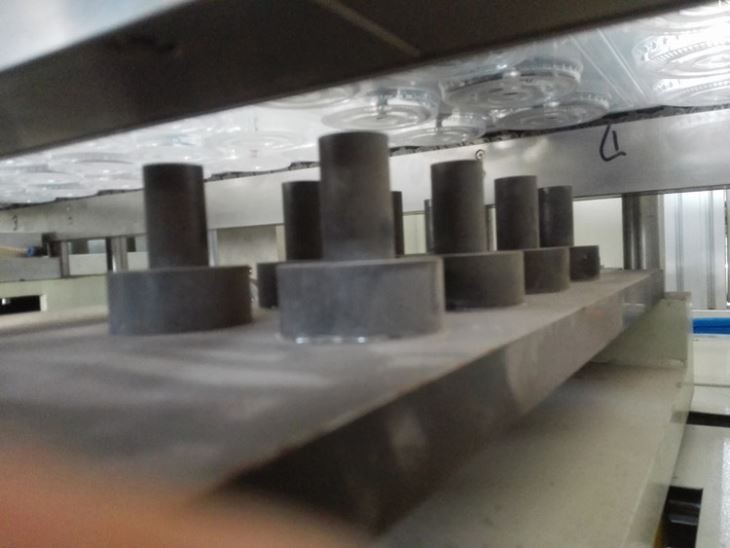
Contact for Procurement
If you are interested in our mold spare parts and want to know more about our environmental protection practices, please feel free to contact us. We are committed to providing high - quality, environmentally friendly mold spare parts, including Punching Mold, Forming Mold for Thermoforming Machine, and Cutting Mold. Our team of experts is ready to discuss your specific requirements and provide you with the best solutions.
References
- ISO 14001:2015 Environmental management systems — Requirements with guidance for use.
- Environmental Protection Agency (EPA) regulations on industrial pollution control.
- Studies on sustainable material selection and waste management in the manufacturing industry.


