

Cutting molds play a pivotal role in the food industry, offering precision, efficiency, and versatility in food processing. As a leading Cutting Mold supplier, I've witnessed firsthand how these essential tools have revolutionized food production. In this blog, I'll delve into the various applications of cutting molds in the food industry, exploring their benefits and highlighting the key factors to consider when choosing the right cutting mold for your food processing needs.
Applications of Cutting Molds in the Food Industry
Bakery Products
In the bakery industry, cutting molds are used to create uniform shapes and sizes for a wide range of products, including bread, pastries, cookies, and cakes. For example, a round cutting mold can be used to create perfectly circular bread rolls, while a rectangular mold can be used to cut brownies or bars into consistent sizes. Cutting molds not only enhance the visual appeal of bakery products but also ensure consistent portion control, which is essential for cost management and customer satisfaction.
Confectionery
The confectionery industry relies heavily on cutting molds to produce candies, chocolates, and other sweet treats. Cutting molds can be used to create intricate shapes and designs, such as hearts, stars, and animals, adding a touch of creativity and novelty to confectionery products. Additionally, cutting molds can be used to cut and shape chocolate bars, ensuring that each piece is uniform in size and shape.
Meat and Poultry
Cutting molds are also used in the meat and poultry industry to cut and shape meat products, such as steaks, chops, and burgers. A well-designed cutting mold can ensure that meat products are cut to the desired thickness and size, resulting in consistent cooking times and improved product quality. Cutting molds can also be used to create custom shapes and sizes for meat products, such as shaped patties or stuffed meats.
Vegetables and Fruits
In the produce industry, cutting molds are used to cut and shape vegetables and fruits into various shapes and sizes. For example, a julienne cutting mold can be used to create thin strips of vegetables, such as carrots or cucumbers, while a round cutting mold can be used to cut fruits, such as apples or tomatoes, into uniform slices. Cutting molds can also be used to create decorative shapes and designs for fruits and vegetables, enhancing their visual appeal and making them more attractive to consumers.
Dairy Products
Cutting molds are also used in the dairy industry to cut and shape cheese, butter, and other dairy products. A cheese cutting mold can be used to cut cheese into blocks, slices, or wedges, ensuring that each piece is uniform in size and shape. Cutting molds can also be used to create custom shapes and sizes for cheese products, such as shaped cheese wheels or flavored cheese spreads.
Benefits of Using Cutting Molds in the Food Industry
Precision and Consistency
One of the primary benefits of using cutting molds in the food industry is the ability to achieve precision and consistency in food processing. Cutting molds are designed to cut and shape food products with a high degree of accuracy, ensuring that each piece is uniform in size, shape, and thickness. This not only enhances the visual appeal of food products but also ensures consistent cooking times and improved product quality.
Efficiency and Productivity
Cutting molds can also improve efficiency and productivity in food processing. By using a cutting mold, food manufacturers can cut and shape multiple pieces of food at once, reducing the time and labor required for manual cutting. Additionally, cutting molds can be easily integrated into automated food processing lines, further increasing efficiency and productivity.
Versatility and Customization
Cutting molds offer a high degree of versatility and customization, allowing food manufacturers to create a wide range of shapes and sizes for their products. Cutting molds can be designed to cut and shape food products into various shapes, including circles, squares, rectangles, triangles, and more. Additionally, cutting molds can be customized to meet the specific needs and requirements of food manufacturers, such as creating custom shapes or sizes for unique food products.
Cost Savings
Using cutting molds in the food industry can also result in cost savings. By ensuring consistent portion control and reducing waste, cutting molds can help food manufacturers save on raw materials and labor costs. Additionally, cutting molds can be used to increase productivity and efficiency, resulting in lower production costs and higher profit margins.
Factors to Consider When Choosing a Cutting Mold
Material
The material used to make the cutting mold is an important factor to consider. Cutting molds can be made from a variety of materials, including stainless steel, aluminum, plastic, and silicone. Each material has its own advantages and disadvantages, so it's important to choose the material that is best suited for your specific application. For example, stainless steel cutting molds are durable, corrosion-resistant, and easy to clean, making them a popular choice for food processing applications.
Design
The design of the cutting mold is also an important factor to consider. Cutting molds can be designed with different shapes, sizes, and cutting edges, depending on the specific application. It's important to choose a cutting mold that is designed to cut and shape the food product you are working with, ensuring that it provides the desired results. Additionally, the design of the cutting mold should be easy to clean and maintain, to ensure that it remains hygienic and safe for use in food processing.
Size and Shape
The size and shape of the cutting mold are also important factors to consider. Cutting molds can be designed to cut and shape food products into various sizes and shapes, depending on the specific application. It's important to choose a cutting mold that is the right size and shape for the food product you are working with, ensuring that it provides the desired results. Additionally, the size and shape of the cutting mold should be compatible with the equipment and machinery you are using, to ensure that it can be easily integrated into your food processing line.
Quality and Durability
The quality and durability of the cutting mold are also important factors to consider. Cutting molds are subjected to high levels of stress and wear during use, so it's important to choose a cutting mold that is made from high-quality materials and is designed to withstand the rigors of food processing. Additionally, the cutting mold should be easy to clean and maintain, to ensure that it remains hygienic and safe for use in food processing.
Conclusion
Cutting molds are essential tools in the food industry, offering precision, efficiency, and versatility in food processing. As a Cutting Mold supplier, I understand the importance of providing high-quality cutting molds that meet the specific needs and requirements of food manufacturers. Whether you are looking for a cutting mold for bakery products, confectionery, meat and poultry, vegetables and fruits, or dairy products, I can help you find the right cutting mold for your application.
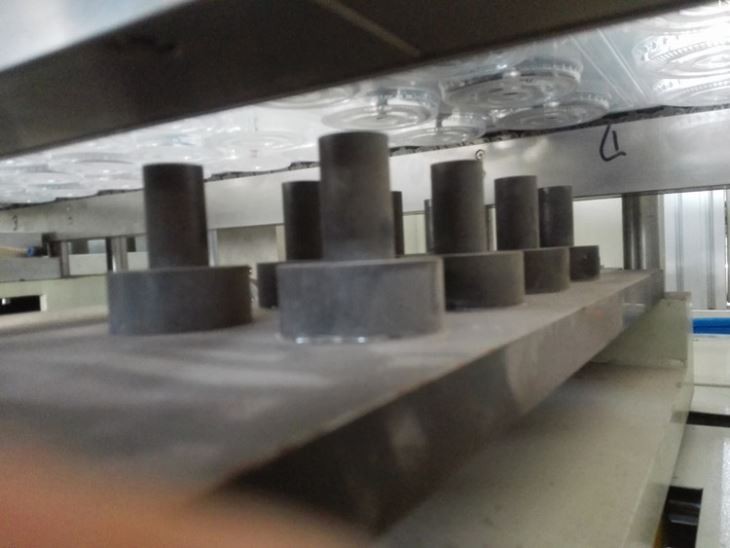

If you are interested in learning more about our Cutting Molds or would like to discuss your specific food processing needs, please don't hesitate to [initiate a contact for procurement negotiation]. Our team of experts is available to answer your questions and provide you with the information and support you need to make an informed decision.
References
- "Food Processing Technology: Principles and Practice" by P. Fellows
- "Handbook of Food Engineering" by D. Heldman and D. Lund
- "Encyclopedia of Food Science and Technology" by S. Damodaran, K. Parkin, and O. Fan


